The History of Dessert Wine: Sweetness, Celebration and European Wine Culture


The History of Dessert Wine: Sweetness, Celebration and European Wine Culture
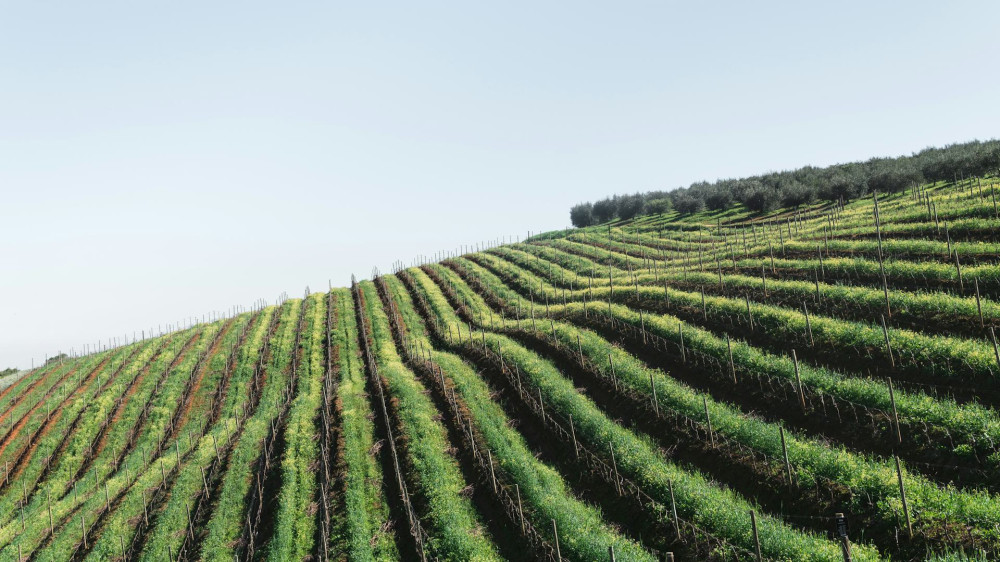
For centuries, dessert wine has been a symbol of indulgence, festivity, and craftsmanship. These sweet wines—served with cheese, fruit, or simply savoured on their own—carry a story that stretches from the sun-drenched vineyards of the ancient Mediterranean to the refined cellars of modern Europe. Behind every golden drop lies a blend of climate, culture, and tradition, revealing how sweetness became an enduring part of European wine heritage.
From Ancient Sweet Wines to Monastic Craftsmanship
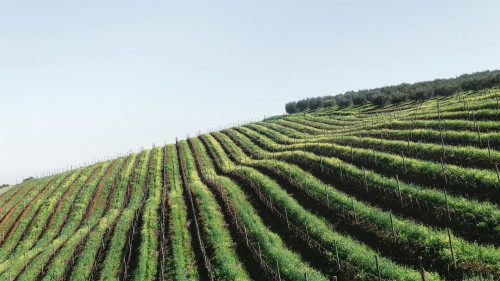
The origins of dessert wine reach back to ancient Greece and Rome, where winemakers discovered that drying grapes in the sun concentrated their sugars and flavours. These early sweet wines were prized at banquets and religious ceremonies, symbols of wealth and divine favour. The technique of sun-drying or late harvesting became a hallmark of luxury, a way to capture the essence of the grape in its most intense form.
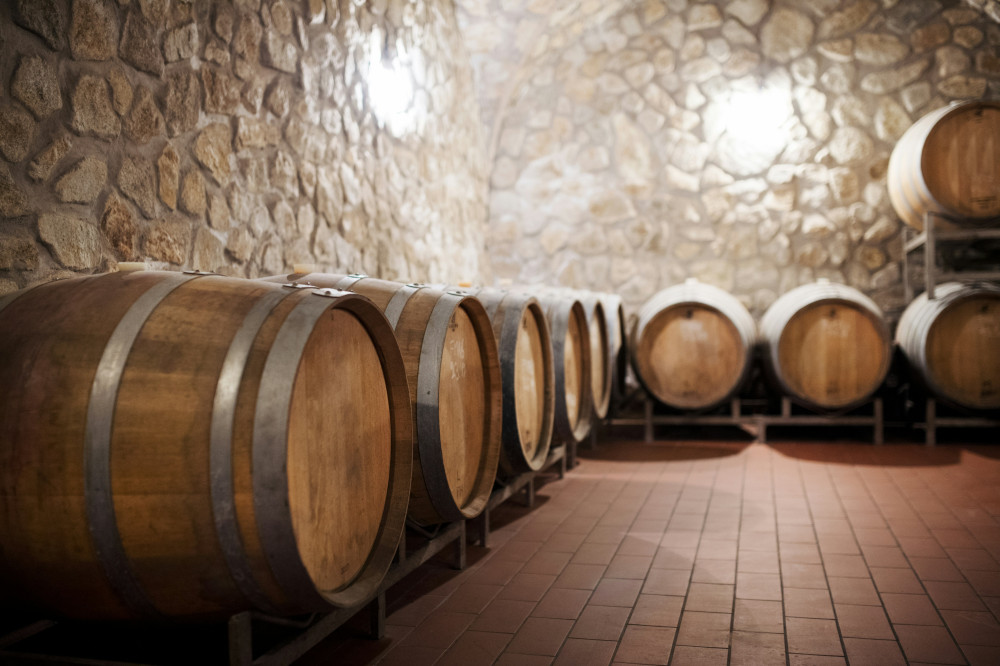
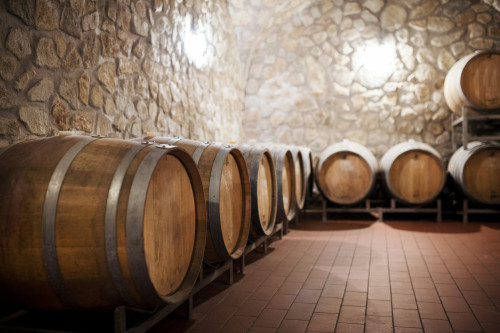
During the Middle Ages, European monasteries became the guardians of winemaking knowledge. Monks in Italy, France, and Germany refined methods to preserve sweetness—stopping fermentation early or fortifying the wine with grape spirit. These innovations gave rise to the first vin doux naturel, the ancestors of many of today’s dessert wines. The monastic dedication to balance and purity laid the foundation for Europe’s sweet wine traditions.
Læs også:


The Renaissance and the Rise of Sweet Fashion
By the 16th and 17th centuries, dessert wines had become a fixture at royal courts and aristocratic tables. French nobles favoured the luscious wines of Bordeaux and the Loire Valley, while the English developed a taste for fortified wines from Portugal and Spain. Port, sherry, and madeira became symbols of sophistication and global trade—wines that could endure long sea voyages and still pour rich and sweet upon arrival.
In the cooler climates of Central Europe, winemakers discovered the magic of botrytis cinerea, the “noble rot” that concentrates sugars and acids in the grape. This natural phenomenon gave birth to legendary wines such as Germany’s Beerenauslese and Hungary’s Tokaji Aszú—wines that balanced sweetness with a vibrant, almost electric acidity. These discoveries transformed dessert wine from a simple indulgence into an art form.
Sweetness as Culture and Symbol
Dessert wine’s role in European culture extends beyond taste—it embodies generosity, celebration, and the joy of shared moments. A glass of sweet wine traditionally marked the end of a meal, a gesture of hospitality and abundance. Each region developed its own rituals: in France, Sauternes became synonymous with elegance; in Italy, Vin Santo was dipped with biscotti as part of Tuscan family gatherings; in Portugal, port wine became a national treasure, toasted at holidays and milestones.
Sweetness, in this sense, became a cultural language—a way to express warmth, gratitude, and festivity. The golden hue of dessert wine reflected not only the ripeness of the grape but also the richness of European social life.
Modern Dessert Wines: Between Tradition and Innovation
Today, dessert wine occupies a more versatile place in the world of wine. It is no longer reserved solely for grand dinners but pairs beautifully with blue cheese, tropical fruit, or even spicy Asian dishes—pairings that resonate with Australia’s diverse culinary scene. Winemakers across Europe and beyond are crafting lighter, fresher styles that balance sweetness with acidity, making them more approachable for modern palates.
At the same time, classic dessert wines are enjoying a quiet revival among collectors and enthusiasts who value authenticity and craftsmanship. In an era of globalised wine production, these sweet wines stand as reminders of regional identity and patient artistry. Their complexity and longevity continue to inspire both winemakers and wine lovers around the world—including those in Australia, where fortified and late-harvest wines have their own proud history.
A Drink of Past and Future
The story of dessert wine is, in many ways, the story of European wine itself: a journey through centuries of experimentation, trade, and celebration. From monastic cellars to royal banquets, from the Douro Valley to the Rhine, dessert wines have survived changing fashions and climates, always retaining their allure.
When you pour a glass of amber port, golden Sauternes, or honeyed Tokaji, you taste more than sweetness—you taste history, craftsmanship, and the enduring human desire to celebrate life’s pleasures. Dessert wine reminds us that sweetness is not just a flavour; it is a feeling, a ritual, and a timeless expression of joy.
Læs også: