The Distinctive Character of Wine Regions: Traditions, Grapes and Local Methods

The Distinctive Character of Wine Regions: Traditions, Grapes and Local Methods
Wine is never just wine. Behind every bottle lies a landscape, a climate, and a culture that together shape its flavour and identity. From the sun-drenched valleys of South Australia to the cool slopes of Tasmania, each wine region carries its own traditions, grape varieties, and methods that give its wines a distinctive character. This article explores how local conditions and craftsmanship create diversity in the world of wine.
Climate and Soil – The Foundation of Wine
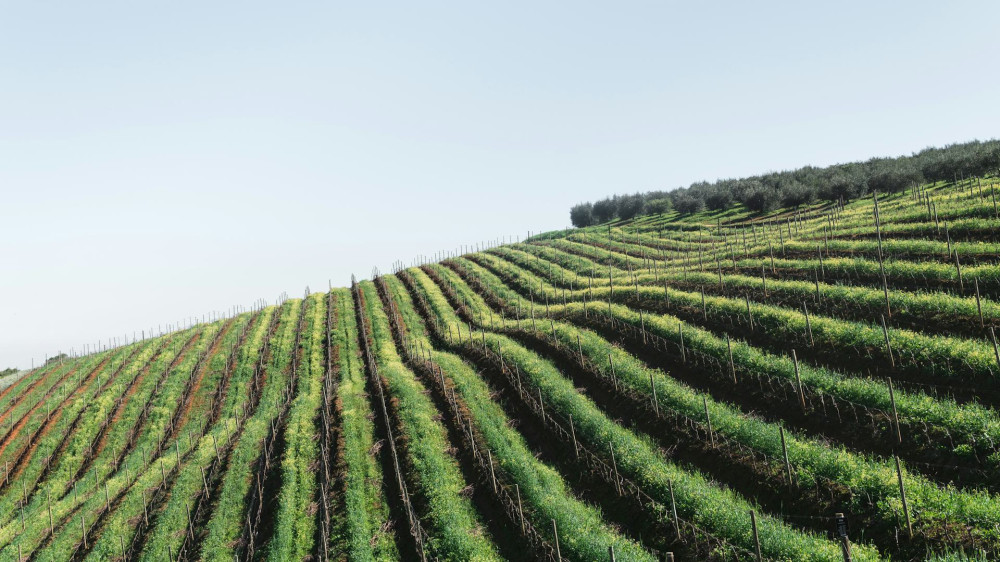
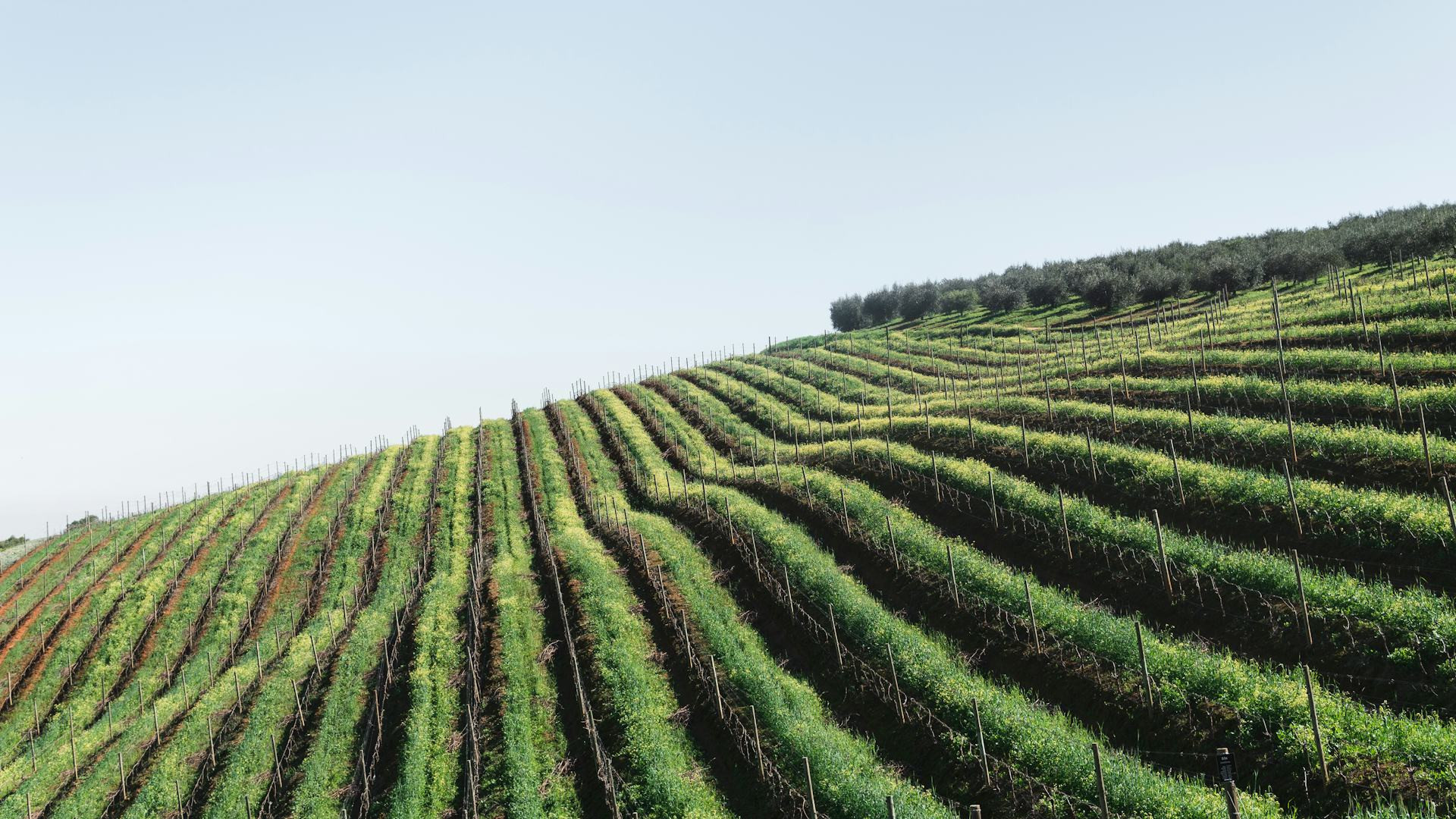
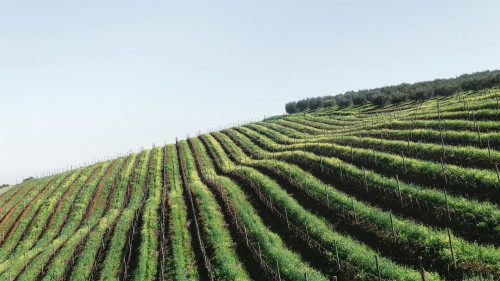
A wine’s personality begins in the vineyard. The combination of climate, soil type, and topography – what the French call terroir – determines how grapes develop and how the final wine will taste.
In warm regions such as the Barossa Valley or McLaren Vale, grapes ripen quickly, accumulating sugar and producing full-bodied, generous wines with rich fruit and higher alcohol. In cooler areas like the Yarra Valley or Tasmania, slower ripening preserves acidity and aromatic complexity, resulting in elegant wines with freshness and finesse.
Soil also plays a crucial role. Limestone often lends wines a mineral edge and crispness, while clay soils encourage depth and structure. Even subtle variations in the subsoil can be tasted in the glass, making each vineyard unique.
Traditions Passed Through Generations
Winegrowing is deeply tied to local tradition. In Australia, many family-run wineries trace their roots back to European settlers who brought with them old-world knowledge and adapted it to new-world conditions. The Barossa’s German heritage, for instance, still influences its winemaking style, from robust Shiraz to fortified wines reminiscent of the region’s early days.
In the Hunter Valley, producers have refined the art of crafting age-worthy Semillon – a style found almost nowhere else in the world. Meanwhile, Margaret River’s winemakers have built a reputation for blending Bordeaux varieties with a distinctly Australian touch, balancing structure with ripe fruit and coastal freshness.
The Grapes – The Soul of the Wine
Each grape variety expresses itself differently depending on where it grows. Shiraz, Australia’s signature grape, shows many faces: bold and spicy in the Barossa, silky and peppery in the Grampians, and vibrant and cool-climate in Canberra District. Chardonnay, too, ranges from rich and buttery in warmer regions to crisp and mineral in cooler zones like Tasmania.
Beyond the classics, local experimentation thrives. Winemakers are reviving lesser-known varieties such as Fiano, Tempranillo, and Nero d’Avola, which suit Australia’s diverse climates and reflect a growing curiosity for Mediterranean styles. These choices not only diversify the country’s wine landscape but also respond to changing environmental conditions.
Læs også:


Local Methods and Modern Innovation
While tradition remains strong, Australian winemaking is also defined by innovation. Many producers embrace sustainable viticulture, minimal intervention, and precision farming to let the vineyard speak for itself. Organic and biodynamic practices are gaining ground, and solar-powered wineries are becoming more common.
In sparkling wine regions like Tasmania and the Adelaide Hills, winemakers have mastered the traditional method of secondary fermentation in the bottle, producing world-class sparkling wines that rival those of Champagne. Others experiment with amphorae, wild fermentation, and extended skin contact, blending ancient techniques with modern understanding.
Wine as Culture and Identity
Wine is more than a beverage – it’s a reflection of place and people. Across Australia, wine festivals celebrate the harvest, and cellar doors welcome visitors eager to taste and learn. Each region tells its own story: the pioneering spirit of the Barossa, the coastal elegance of Margaret River, the cool-climate precision of the Yarra Valley.
To understand a wine region is to understand its community – the growers, the makers, and their relationship with the land. Their choices, from vineyard management to winemaking philosophy, shape not only the wine’s flavour but also its cultural meaning.
A Journey Through Taste and Heritage
Opening a bottle of wine is like opening a story about a place. Every sip carries traces of soil, weather, and human care – a dialogue between nature and tradition. Exploring the distinctive character of wine regions is therefore more than a tasting experience; it’s a journey through history, geography, and craftsmanship.
In the end, that is where the magic of wine lies: in the meeting of landscape and people, of time-honoured methods and creative innovation – all captured in a single glass.
Læs også: