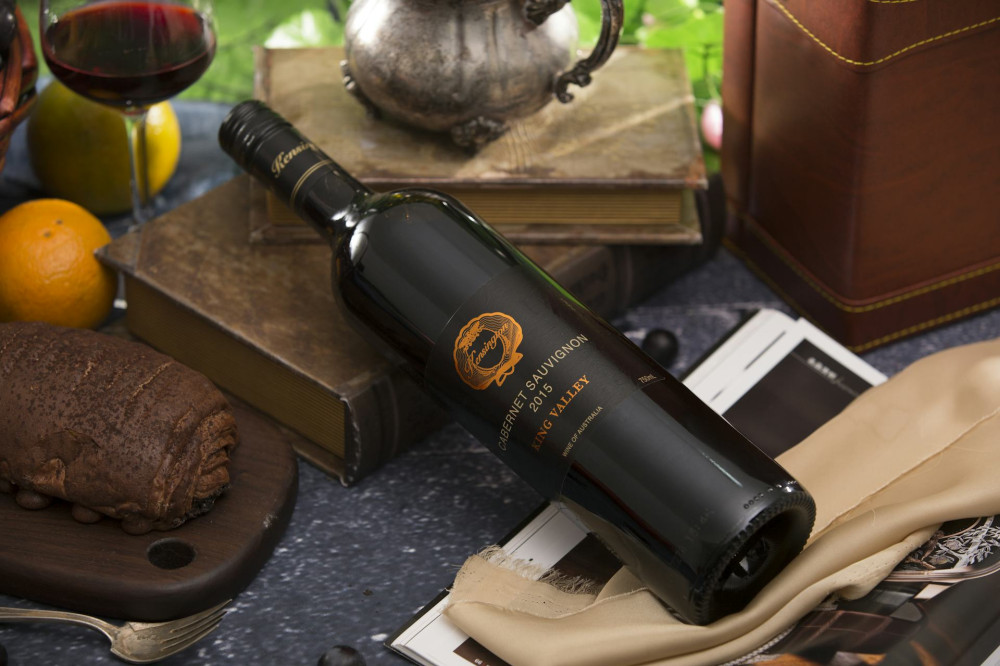
From Steel Tank to Oak Barrel: How Maturation Shapes a Wine’s Flavour

From Steel Tank to Oak Barrel: How Maturation Shapes a Wine’s Flavour
Once fermentation is complete, a wine enters one of the most transformative stages of its life: maturation. This is when its character is refined and its flavour profile takes shape. Whether a winemaker chooses to age the wine in stainless steel, oak barrels, or a combination of both has a profound impact on the final result. But what really happens during maturation – and how does the choice of vessel influence the taste?
The Steel Tank – Purity and Freshness Preserved
Stainless steel tanks have become a hallmark of modern winemaking. They are neutral, easy to clean, and allow precise control over temperature and oxygen exposure. This means the wine retains its bright fruit flavours and crisp acidity.
In Australia, many winemakers use steel tanks for aromatic whites such as Sauvignon Blanc, Riesling, and Vermentino, as well as for vibrant rosés. The cool fermentation and oxygen-free environment help preserve the wines’ zesty citrus and tropical notes – perfect for the country’s warm climate and seafood-driven cuisine.
Even some lighter reds, like Pinot Noir from Tasmania or Yarra Valley, can benefit from steel maturation when the goal is elegance and freshness rather than oak influence. In short, the steel tank highlights the grape’s natural expression and the terroir’s purity.
The Oak Barrel – Depth, Texture, and Complexity
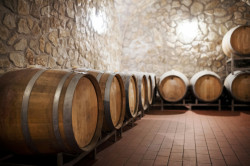
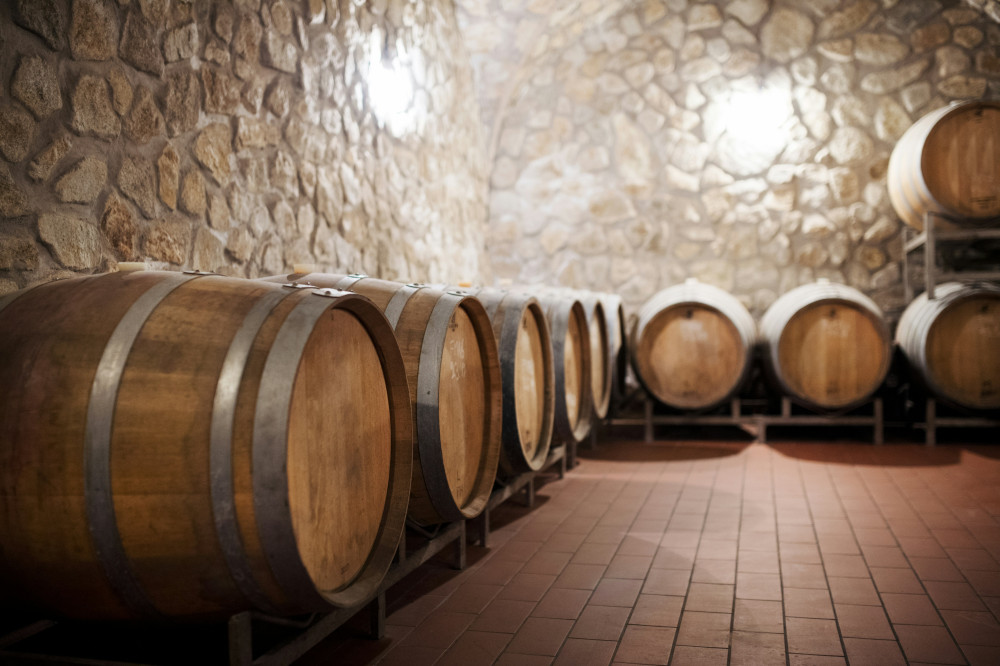
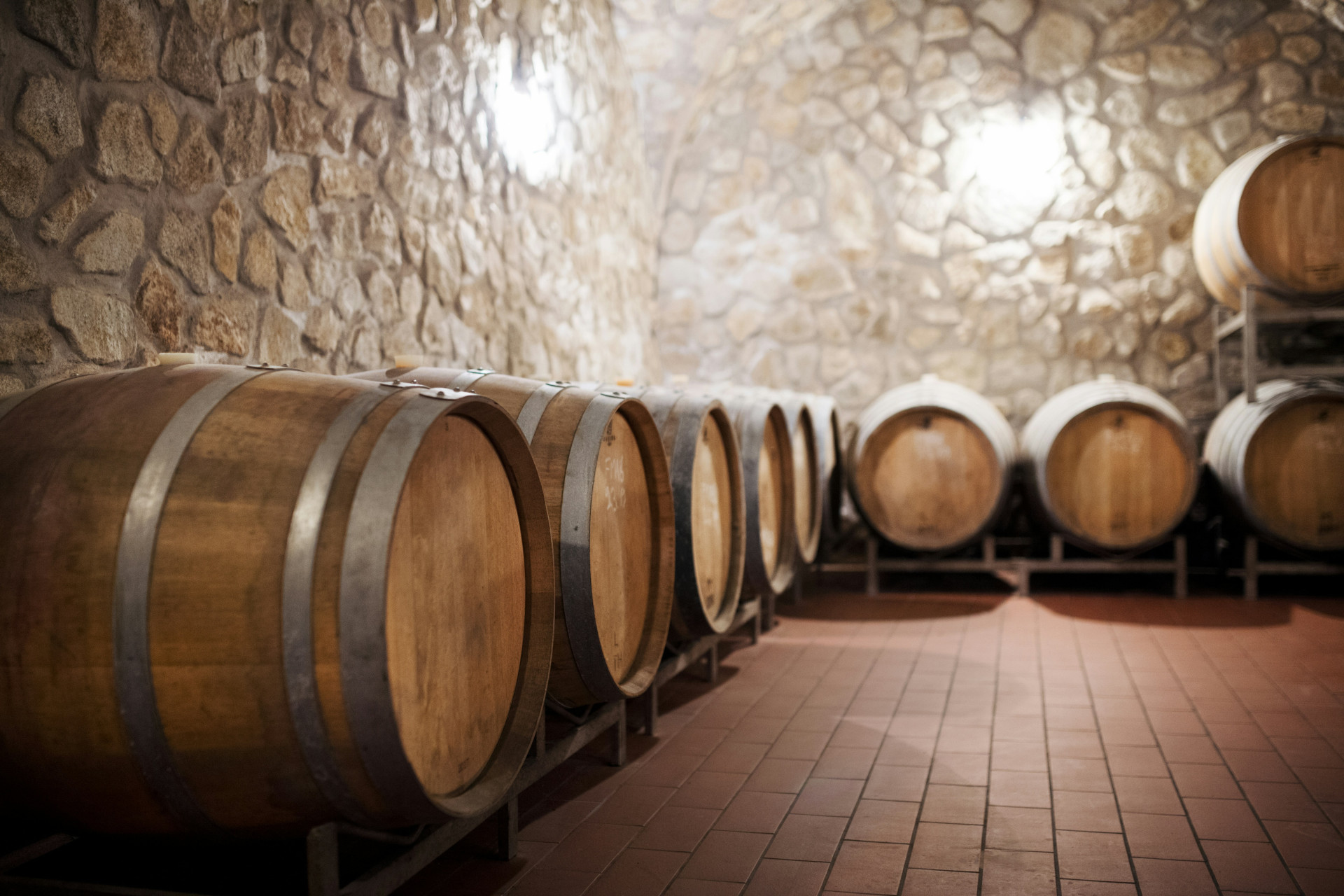
Where steel preserves, oak transforms. When wine rests in oak barrels, a slow exchange of oxygen occurs through the wood’s pores. This gentle micro-oxidation softens tannins in red wines and creates a rounder, more harmonious texture. At the same time, the wood imparts subtle flavours – think vanilla, toast, spice, or even coconut – depending on the type of oak, the level of toasting, and the barrel’s age.
New barrels contribute stronger flavours, while older ones mainly influence texture and structure. Many Australian winemakers blend wine aged in both new and seasoned barrels to achieve balance between fruit purity and oak complexity.
Oak maturation is particularly suited to fuller-bodied wines such as Shiraz from the Barossa Valley, Cabernet Sauvignon from Coonawarra, or Chardonnay from Margaret River. These wines have the weight and structure to carry the richness that oak brings.
The Chemistry of Maturation – Subtle Changes, Big Impact
During maturation, a series of chemical reactions reshape the wine’s aroma and mouthfeel. Tannins polymerise, making the wine smoother. Acids and alcohols combine to form new aromatic compounds, adding layers of complexity. Sediments settle, and the wine becomes clearer and more stable.
In stainless steel, these processes occur slowly and under tight control, preserving freshness. In oak, the gentle oxygen exposure accelerates development, deepening flavours and softening edges. Two wines made from the same grape can taste remarkably different depending on how they were matured.
Læs også:


The Blend – Finding Balance Between Fruit and Structure
Many contemporary Australian winemakers embrace a hybrid approach. Part of the wine might mature in steel to maintain vibrancy, while another portion rests in oak to gain texture and depth. The two components are then blended, creating a wine that combines lively fruit with layered complexity.
This technique is common in regions like the Adelaide Hills and Hunter Valley, where innovation meets tradition. The result is wines that appeal to both lovers of crisp, modern styles and those who appreciate the richness of classic oak-aged expressions.
The Taste of Time and Intention
Ultimately, maturation is about time, patience, and the winemaker’s vision. Choosing steel reflects a pursuit of clarity and precision; choosing oak expresses a desire for depth and evolution. Both paths can lead to exceptional wines – each with its own personality.
Next time you pour a glass, take a moment to consider how it was matured. Whether it’s the clean, fruit-driven brightness of a steel-aged Riesling or the velvety, spiced warmth of an oak-aged Shiraz, the vessel has played a quiet but powerful role in shaping the wine’s story.
Læs også: