Pinot Noir vs. Cabernet Sauvignon – two classics, each with their own character

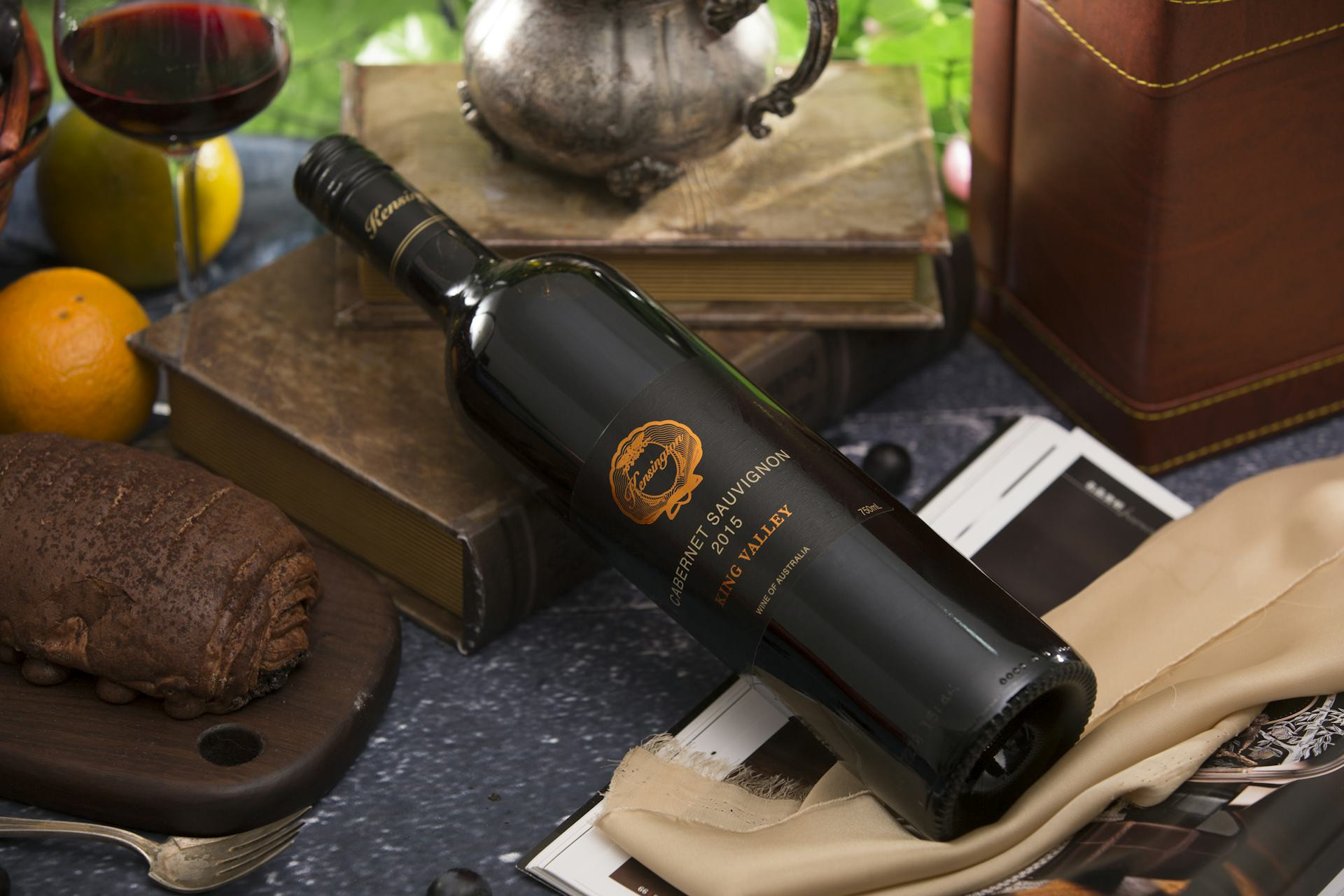
Pinot Noir vs. Cabernet Sauvignon – two classics, each with their own character
When it comes to red wine, few grape varieties inspire as much passion and debate as Pinot Noir and Cabernet Sauvignon. Both are timeless classics with proud traditions, yet they represent two very different worlds – from the graceful and delicate Pinot to the bold and structured Cabernet. Let’s explore what sets them apart and how best to enjoy each of these icons.
Two grapes – two temperaments
Both Pinot Noir and Cabernet Sauvignon trace their origins to France, but they’ve taken on distinct personalities as they’ve spread across the globe. Pinot Noir’s spiritual home is Burgundy, where cool climates produce light, complex wines with subtle charm. Cabernet Sauvignon, born in Bordeaux, thrives in warmer conditions, yielding wines of deep colour, firm tannins, and impressive ageing potential.
In Australia, these grapes have found new expressions. Pinot Noir shines in cooler regions like Tasmania, the Yarra Valley, and Mornington Peninsula, where the maritime influence preserves freshness and elegance. Cabernet Sauvignon, meanwhile, flourishes in warmer areas such as Coonawarra, Margaret River, and the Barossa Valley, producing wines that are rich, structured, and full of ripe fruit.
Where Pinot Noir is known for finesse and delicate fruit, Cabernet Sauvignon is synonymous with power, structure, and intensity. They are two distinct interpretations of what red wine can be – and that’s exactly why both are so beloved.
Flavour and aroma
Pinot Noir tends to be lighter in colour and body, offering aromas of red berries like cherry, raspberry, and strawberry. With age, it can develop earthy, savoury notes of forest floor, truffle, and spice. Its soft tannins and bright acidity make it graceful and easy to drink, often described as silky or ethereal.
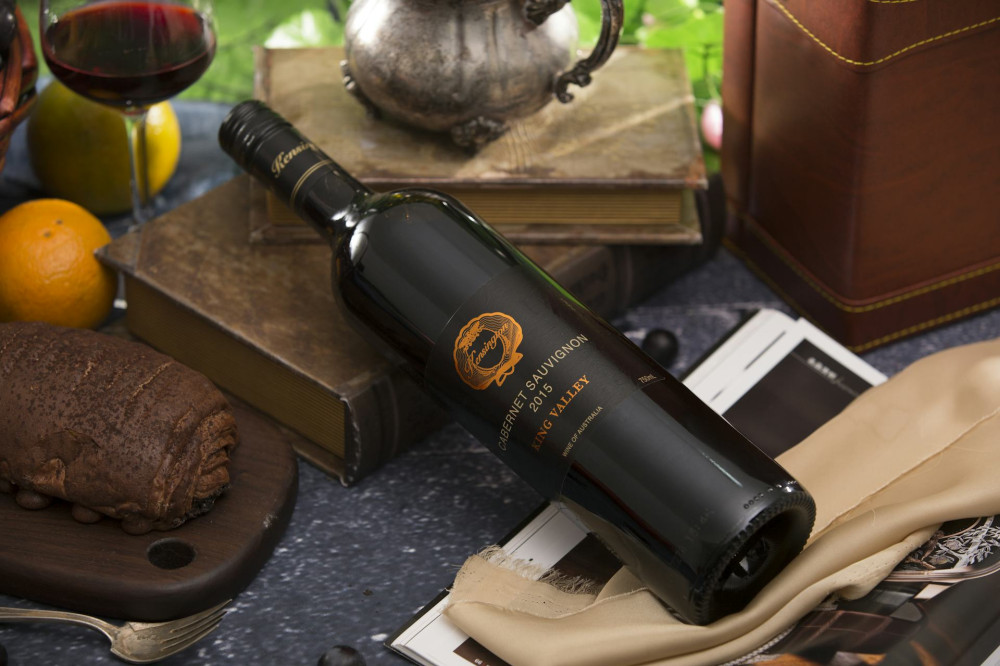
Cabernet Sauvignon, on the other hand, is darker and more full-bodied. Expect aromas of blackcurrant, blackberry, and cedar, often complemented by hints of vanilla, tobacco, or dark chocolate from oak ageing. Its firm tannins and solid structure give it longevity and depth – a wine that can evolve beautifully over time.
In short: Pinot Noir whispers; Cabernet Sauvignon speaks with a deep, confident voice.
Food pairings
Food and wine should complement each other, and here the differences between these two grapes truly shine.
- Pinot Noir pairs beautifully with lighter dishes such as roast chicken, duck, mushroom risotto, or grilled salmon. Its freshness and fine acidity cut through richness, making it a versatile choice for many Australian favourites.
- Cabernet Sauvignon demands bolder flavours. It’s perfect with red meat, lamb, game, or hearty stews. The tannins interact with the proteins in the meat, creating a balanced and satisfying mouthfeel.
If you’re planning a multi-course meal, start with Pinot Noir and finish with Cabernet Sauvignon – a natural progression in intensity that mirrors the flow of the meal.
Læs også:


The role of climate
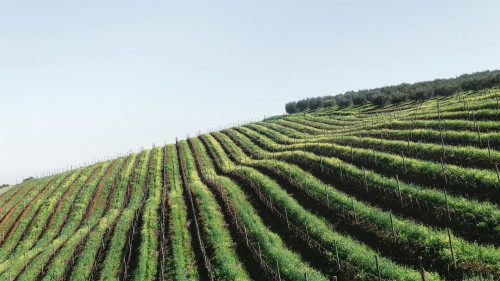
Climate plays a crucial role in shaping both varieties. Pinot Noir is famously finicky – it prefers cooler conditions and ripens best when temperatures allow for slow, even development. That’s why regions like Tasmania and Victoria’s highlands produce some of Australia’s most elegant examples.
Cabernet Sauvignon is more resilient and adaptable. It thrives in both warm and temperate climates, and in Australia it’s a cornerstone of many premium regions. Coonawarra’s famous terra rossa soils give Cabernet a distinctive minty freshness, while Margaret River’s maritime climate produces wines of balance and refinement. Warmer inland areas yield riper, more opulent styles.
Price and ageing potential
Pinot Noir is often more expensive to produce. The grape yields less fruit and requires meticulous care in the vineyard. But the reward is a wine that can be hauntingly beautiful and complex. Top examples can age gracefully for a decade or more, though many modern Australian Pinots are crafted for earlier enjoyment.
Cabernet Sauvignon generally offers greater ageing potential. The best wines from Bordeaux, Napa, or Australia’s own Coonawarra and Margaret River can mature for decades, developing layers of flavour and texture. Even more affordable Cabernets often benefit from a few years in the cellar.
Which should you choose?
Choosing between Pinot Noir and Cabernet Sauvignon ultimately comes down to mood and occasion. For a relaxed evening, a light meal, or a conversation over dinner, Pinot Noir is a natural choice. For a hearty barbecue, a rich stew, or a winter roast, Cabernet Sauvignon takes centre stage.
Many wine lovers appreciate both – they represent two sides of red wine’s personality: the elegant and the powerful, the fleeting and the enduring.
Two classics that never go out of style
Whether you’re drawn to the finesse of Pinot Noir or the strength of Cabernet Sauvignon, there’s no denying that both have earned their place among the world’s great wines. They show just how diverse red wine can be – and how much character can be found in a single glass.
So next time you’re browsing the wine aisle, let your mood, your meal, and your company guide you. Because in the end, wine is not just about grapes and terroir – it’s about the experience you share when the bottle is opened.
Læs også: