Combine natural and mechanical ventilation for a better indoor climate

Combine natural and mechanical ventilation for a better indoor climate
A healthy indoor climate is about more than just temperature and humidity – it’s also about how air moves through your home. Many Australian homes rely on either natural or mechanical ventilation, but the best results often come when the two systems work together. By combining natural airflow with modern ventilation technology, you can create a more comfortable, energy-efficient, and healthier living environment.
What’s the difference between natural and mechanical ventilation?
Natural ventilation happens through open windows, doors, vents, and small gaps in the building envelope. It’s driven by wind and temperature differences and doesn’t require electricity. It’s simple and cost-effective, but it can be difficult to control – especially in newer, airtight homes where airflow may be too limited.
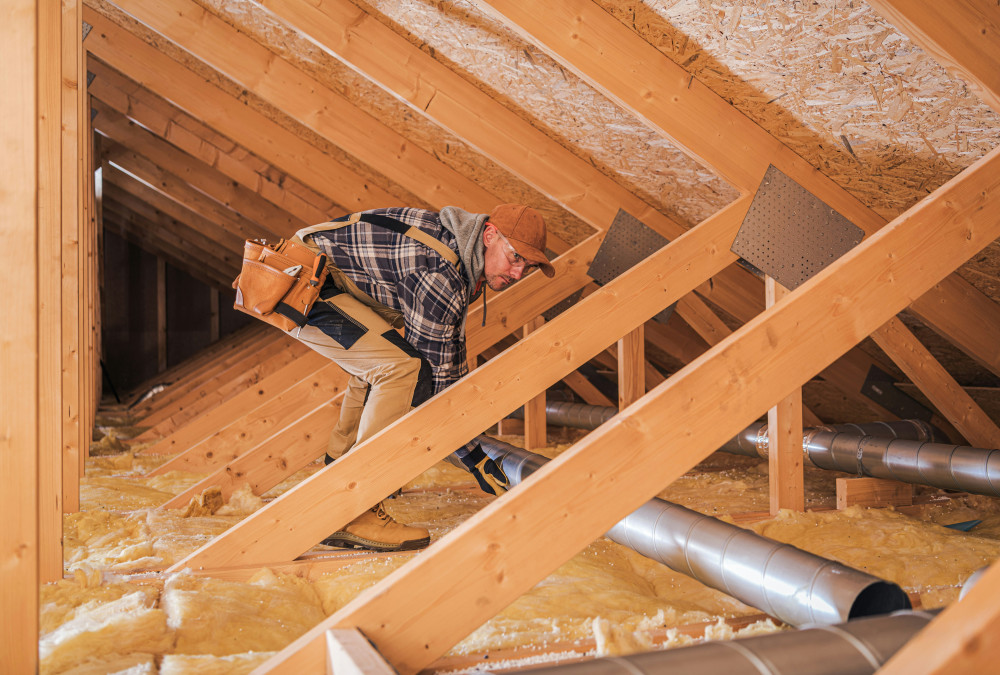
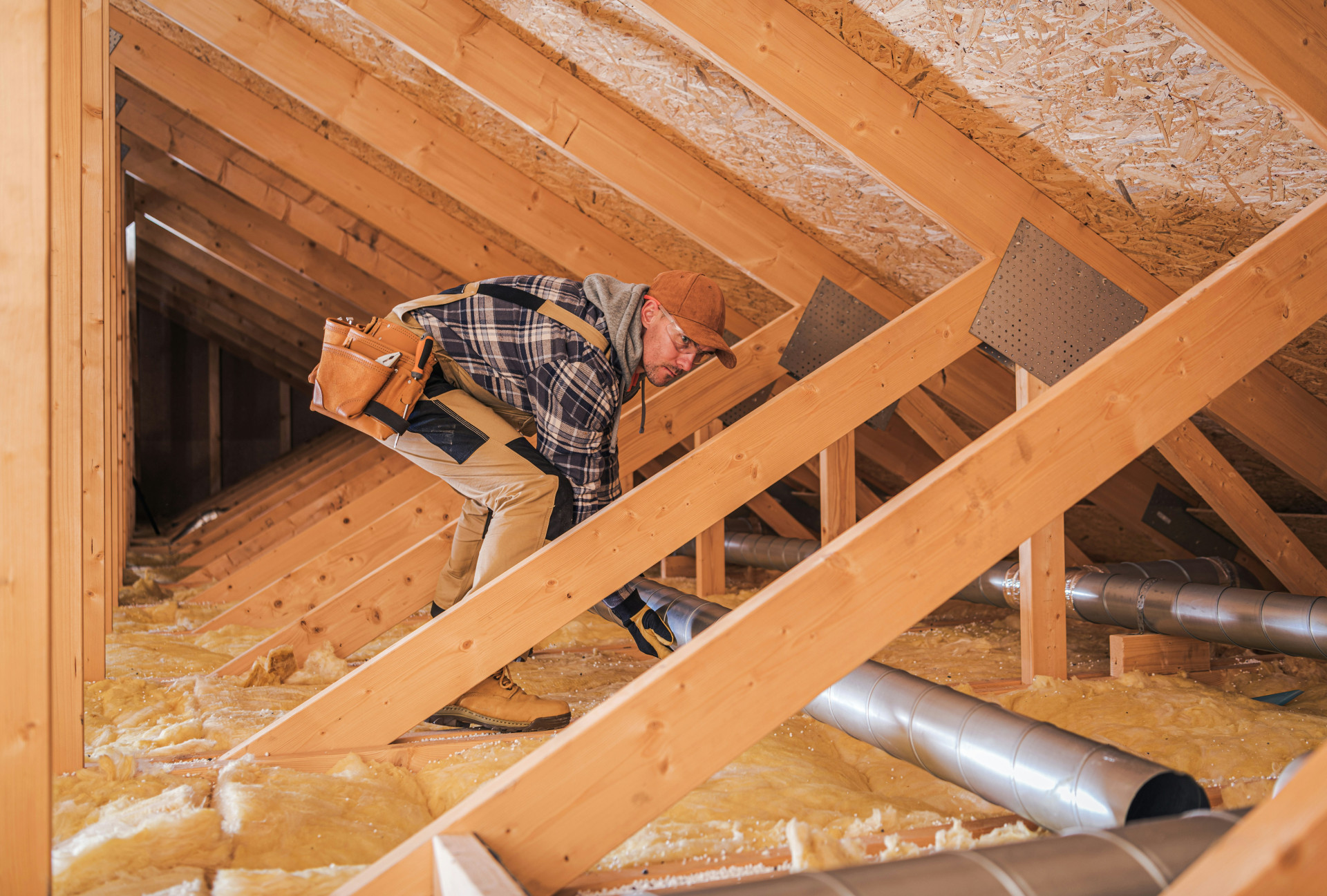
Mechanical ventilation, on the other hand, uses fans to bring in fresh air and remove stale air. Systems can include heat recovery or operate without it, providing consistent air quality throughout the year. The downside is that they require installation, maintenance, and power.
When natural and mechanical ventilation are combined, you can take advantage of both: the free movement of air and the control of a mechanical system.
The benefits of combining systems
A hybrid approach gives you flexibility. You can run the mechanical system at a low level for everyday use and rely on natural ventilation when the weather allows. This combination offers several advantages:
- Better air quality: Mechanical ventilation ensures a steady exchange of air, while natural ventilation can quickly remove moisture, odours, and indoor pollutants.
- Lower energy use: By using natural ventilation during mild seasons, you can reduce electricity consumption and ease the load on your air conditioning or heat recovery system.
- Less noise: When windows are open, you can turn down the mechanical system, reducing fan and duct noise.
- Improved comfort: The combination allows you to adjust airflow according to the season, weather, and activity level in your home.
Læs også:
How to make the systems work together
To get the most out of a combined system, a bit of planning is needed. Here are some practical tips:
- Position air inlets and outlets strategically. Bring fresh air into living areas and bedrooms, and extract stale air from kitchens, bathrooms, and laundries.
- Use windows wisely. Open windows for short periods to create cross-ventilation, especially in the early morning or evening when outdoor temperatures are lower.
- Set up your mechanical system correctly. Many modern systems have sensors that automatically adjust airflow based on humidity or CO₂ levels.
- Maintain your system. Clean filters and vents regularly – clogged filters reduce both air quality and energy efficiency.
- Think holistically. Ventilation works best when balanced with insulation, shading, and heating or cooling systems. A healthy indoor climate depends on all these elements working together.
When natural ventilation isn’t enough
In older Australian homes with timber frames and less insulation, natural ventilation often provided sufficient airflow. But in modern, energy-efficient buildings, air leakage is minimal, and moisture or pollutants can build up quickly without mechanical assistance. This can lead to mould, condensation, and discomfort.
A mechanical ventilation system with heat recovery can be a smart investment, especially in cooler regions or for homes with air conditioning. It ensures a constant supply of fresh air without wasting energy and can be combined with natural ventilation during warmer months when heat recovery isn’t needed.
A healthy home all year round
A good indoor climate is about balance. Too much ventilation can cause draughts and energy loss, while too little can lead to humidity and poor air quality. By combining natural and mechanical ventilation, you can adjust airflow to suit the season and your household’s needs – creating a home that’s healthy, comfortable, and energy-efficient.
It takes a bit of attention and maintenance, but the reward is worth it: fresh air, fewer allergens, and a living environment that supports wellbeing all year round.
Læs også: