How Fabric Structures Hold up and Perform in Extreme Weather – The Science

How Fabric Structures Hold up and Perform in Extreme Weather – The Science
How Fabric Structures Hold up and Perform in Extreme Weather - The Science
Commercial fabric buildings have come a long way from temporary tarpaulin structures you might think of when you hear the name, Modern examples of this kind of building are scientifically engineered to be exemplary structures for surprisingly long-term performance in a range of climates and for various business needs. But what makes them so effective?
This article will look at why modern fabrics are a great material for wind resistance, snow and cold and even scorching desert heat and sun. The strength of fabrics as building materials has been known for thousands of years, and modern science is only just catching up to their true potential for a range of business applications. This what you need to know about them.
Wind Resistance Means Aerodynamic Profiles, Anchoring Systems and Stress Testing
Much like modern steel structures, fabric buildings of today are built with the intended destination climate in mind. In many cases that means reading local wind strength data and determining the exact position the building will be set up in for maximum efficiency.
If you're looking for a commercial fabric building that are long lasting and bult to withstand almost any climate in the world, you need a manufacturer that knows all about extremes and has decades of experience in the game. Simple.
A well-built fabric structure can withstand up to 180 km/h winds. They use aerodynamic science, high tensile load distributing frames and anchoring systems tailored to the type of ground the structure is installed over.
Modern aerodynamics can create fabric buildings that work with the wind to let it flow over the structure, rather than creating drag points that add more force per square metre to the gusts.
Premium Units Can Handle Several Feet of Snow
Buildings across the world have had to be adapted to snow for many thousands of years - which is why places with lots of it have peaked roofs. The same can be said for fabric structures. If ordered for use in snowy climes, fabric buildings can easily be adapted to have arched or peaked roofs to let snow naturally shed off the sides as it builds up.
Modern fabric buildings go several steps further, using the latest high-strength and water resistant materials to ensure they don't absorb water and thus get heavier as snow accumulates. In even harsher climates with lots of snow potential, fabric buildings on the market today can be equipped with heating membranes and breathable insulation systems which can stop snow accumulating at all.
Tensile reinforcement in such cases is also popular. For example, designers can add more trusses and support beams as well as tension rods to ensure maximum load bearing in the event of very heavy snowfall.
The most sturdy fabric buildings on the market can hold up to 45 psf (pounds per square foot). Which is about five feet of dry, powdery snow or two to three feet of very wet, heavy snow mixed with ice.
Fabric Buildings are Excellent for Hot, Arid Environments
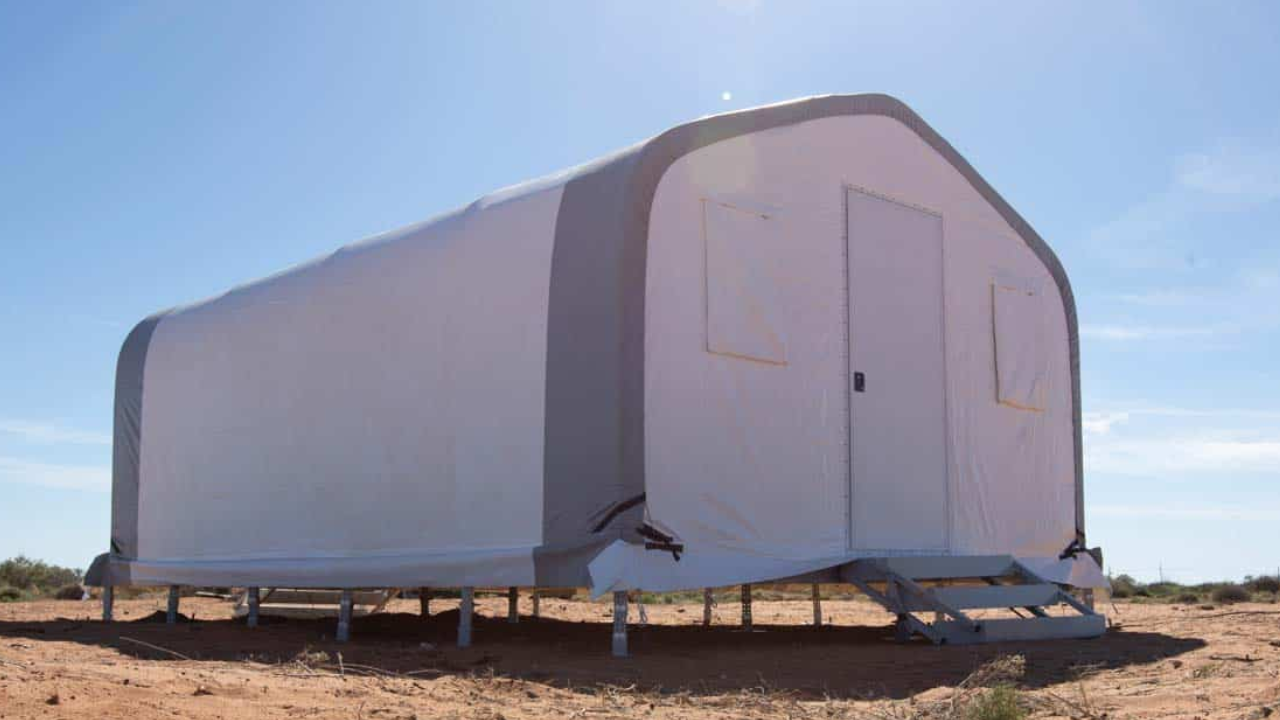
Fabric membranes are reflective, breathable and non-conductive. This makes them stellar in very hot environments. In fact, fabric buildings are used by the US Military for this exact purpose when in desert climes.
A fabric building in a desert will be several degrees cooler than a building made of steel or concrete. Not only does heat not penetrate, it also reflects off modern fabric building materials so the structure doesn't accumulate potentially dangerous heat on the outside.
Advanced modern fabric technologies include phase changing material and multi layer fabrics that are both insulating but breathable. This keeps the advantages of a traditional fabric structure (natural ventilation and light) but adds insulation that is as effective - if not better than - double glazed glass.
They're Also Less Costly and More Dynamic
When you think of a fabric building, you might think of a temporary structure. But that's far from the truth with today's options. Most modern fabric buildings are guaranteed under warranty for at least 20 years, and the frames will be good for even longer than that.
In fact, over long periods, fabric buildings are less vulnerable to erosion, damp or other structural issues. They're also much easier to repair if something does go wrong - since spare fabrics and supports aren't difficult to store or transport - and they're easier to take down and remove if needed.
Industries like mining, oil & gas, logistics and agriculture often need to follow land use regulations to the tee, and fabric structures are less invasive to the environment than steel or concrete buildings.
As well as being easier to take down, they're also easier to set up and don't require digging foundations or as much complex preparation. And, crucially, less expensive. Fabric buildings are around 20% to 30% less expensive per square foot than prefab steel buildings - although the actual costs vary depending on the level of tech needed.