Sleep Well: Create a Healthy Sleep Environment with the Right Colours, Temperature and Air Quality

Sleep Well: Create a Healthy Sleep Environment with the Right Colours, Temperature and Air Quality
A good night’s sleep starts long before you close your eyes. It’s not just about your mattress or pillow – the space you sleep in plays a major role. The colours on your walls, the temperature of your room and the quality of the air all influence how quickly you fall asleep and how deeply you rest. Here’s how to create a sleep environment that supports calm, recovery and wellbeing – tailored for Australian homes and climates.
Colours that Calm the Mind and Body
Colours have a powerful effect on our mood and energy levels. In the bedroom, the goal is to create a sense of peace and balance.
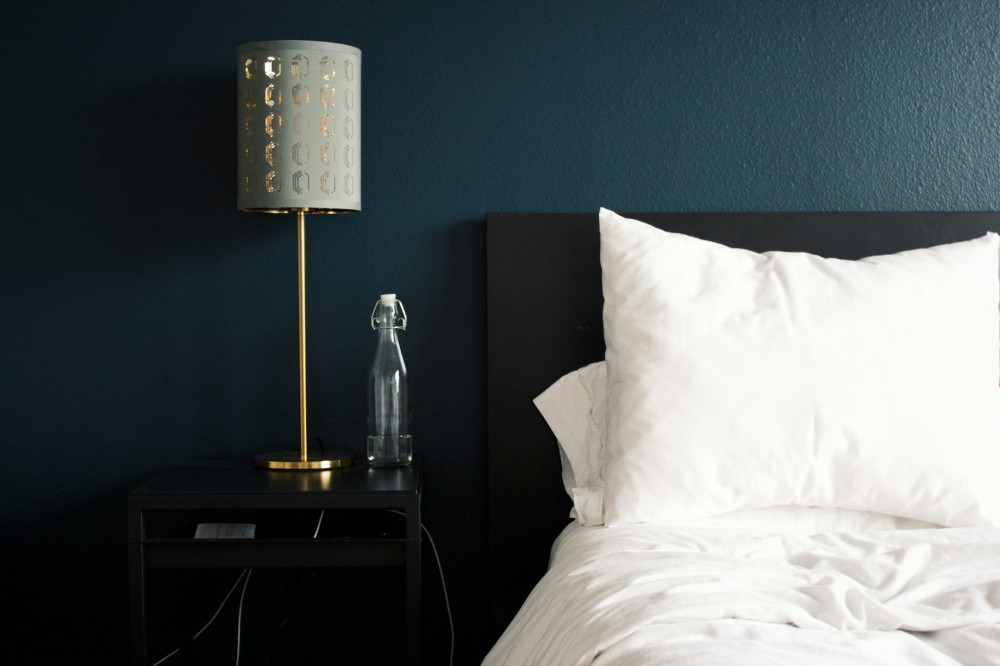
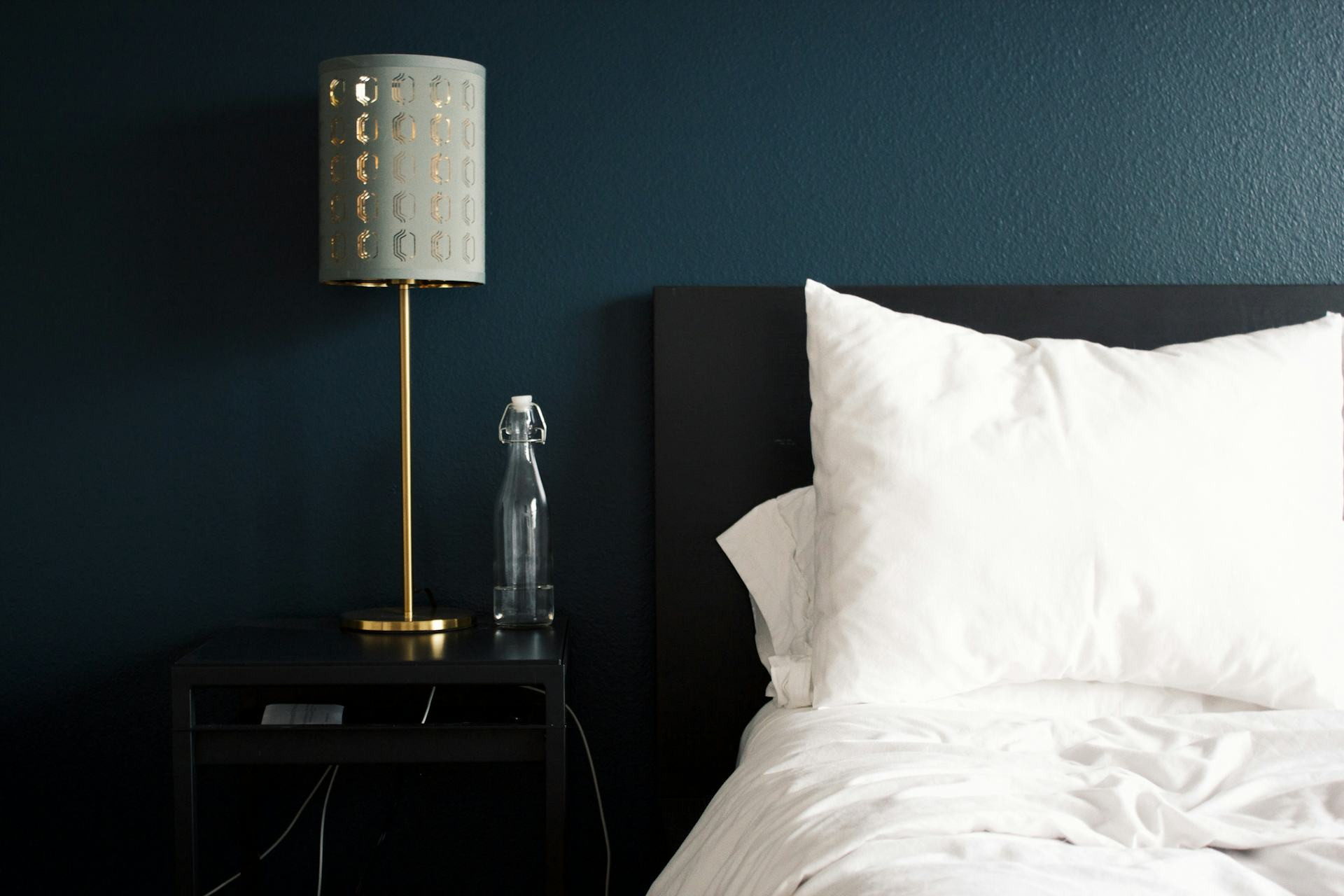
- Soft blues – known for their calming effect, light blue tones can help lower heart rate and promote relaxation.
- Muted greens – reminiscent of nature, green shades bring freshness and harmony. Try sage or eucalyptus tones for a natural, soothing feel.
- Warm neutrals – beige, sand and soft taupe create a sense of comfort and stability without feeling dull.
- Avoid bright or intense colours like red, orange or neon, which can stimulate the brain and make it harder to unwind.
If you’re not ready to repaint, you can introduce calming colours through bedding, curtains or artwork. The key is to keep the overall look soft and cohesive.
Læs også:

The Ideal Temperature for Sleep
Your body naturally cools down as you drift off to sleep, so a slightly cool room helps signal that it’s time to rest. For most people, the ideal bedroom temperature sits between 18 and 20 degrees Celsius.
In Australia’s varied climate, that can mean different strategies depending on the season:
- In summer, use breathable cotton or linen sheets, a lightweight doona and a ceiling or pedestal fan to keep air moving. If you have air conditioning, set it to a moderate temperature rather than blasting cold air all night.
- In winter, choose a warmer doona with wool or down filling, and consider flannelette sheets for extra comfort.
- Before bed, open windows for a few minutes to let in fresh air and release built-up heat.
- Avoid heavy sleepwear that traps heat – your body needs to regulate temperature freely.
If you often wake up sweaty or restless, it’s a sign your room may be too warm or your bedding too heavy.
Air Quality – The Invisible Factor
Even the most beautifully styled bedroom can disrupt sleep if the air feels stuffy or dusty. Good air quality means fresh, clean air with the right level of humidity.
- Ventilate daily, even in winter. A few minutes of cross-breeze is better than leaving a window slightly open all day.
- Avoid drying clothes indoors, as moisture can lead to musty smells and mould growth.
- Add a few indoor plants – species like peace lilies or snake plants can help purify the air, but don’t overdo it, as too many can increase humidity.
- Dust and vacuum regularly, especially if you have allergies. A clean room not only looks better but also feels fresher.
- Consider an air purifier if you live in a city or near bushfire-prone areas, where smoke and fine particles can affect indoor air quality.
Light and Darkness – Supporting Your Body Clock
While this article focuses on colour, temperature and air, light also plays a crucial role in sleep. Your body produces melatonin – the sleep hormone – when it’s dark, and even small amounts of light can interfere.
Use blackout curtains or blinds to block streetlights, and avoid screens for at least half an hour before bed. If you need a night light, choose one with a warm, dim glow rather than bright white light.
Creating a Sense of Calm
A healthy sleep environment is about more than individual elements – it’s the combination of colour, temperature, air and light that sets the tone. When you walk into your bedroom, your body should instantly recognise it as a place for rest.
Keep the space simple and uncluttered. Remove work materials, electronics and anything that reminds you of daily stress. A tidy, softly lit and well-ventilated room helps your mind let go of the day.
Sleep Well – Every Night
Small changes can make a big difference to your sleep quality. Start with one thing – perhaps a new wall colour, a cooler room or better airflow. Once you feel the improvement, it becomes natural to prioritise your sleep environment.
Good sleep isn’t a luxury – it’s essential for energy, focus and wellbeing in everyday life. By creating the right atmosphere, you give yourself the best chance to wake up refreshed and ready for the day ahead.
Læs også: