Strength and Flexibility: The Effective Combination for Injury Prevention

Strength and Flexibility: The Effective Combination for Injury Prevention
Many Australians associate training with lifting heavy weights or running long distances, but the most effective way to prevent injuries lies in balancing strength and flexibility. Whether you’re a weekend surfer, a tradie on the job, or simply aiming for a healthy, active lifestyle, the interplay between muscle power and mobility keeps your body resilient and ready for anything. Here’s why this combination matters – and how you can make it part of your routine.
Why Strength Alone Isn’t Enough
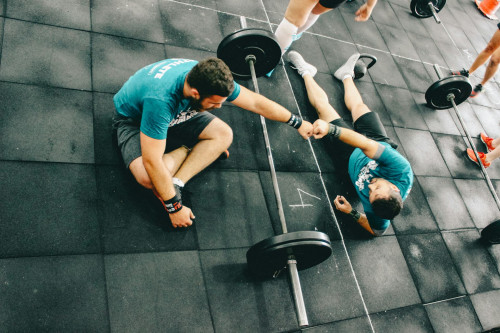
Strength training builds muscle, stabilises joints, and improves your body’s ability to handle physical stress. But if your muscles are strong without being flexible, they can lose their ability to move freely. This stiffness increases the risk of strains and overuse injuries, especially in the shoulders, hips, and lower back.
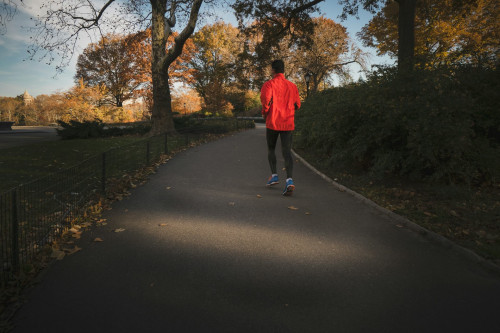
Take, for example, runners who focus on leg strength but neglect to stretch their hip flexors and hamstrings. The result can be tightness, reduced range of motion, and eventually pain or injury. Strength should always be paired with mobility so that muscles can not only perform but also adapt when needed.
Flexibility as Active Prevention
Flexibility isn’t just about touching your toes. It’s the ability to move smoothly and with control through your full range of motion. When muscles and tendons are flexible, they can better absorb impact and adjust to sudden movements – a key factor in avoiding strains and joint injuries.
Regular stretching, yoga, or dynamic mobility work can improve circulation, reduce muscle tension, and enhance body awareness. This makes it easier to notice imbalances before they turn into real problems. For Australians who spend long hours sitting at a desk or driving, flexibility training can also counteract stiffness and postural issues.
Finding the Right Balance in Training
An effective training routine blends strength and flexibility in a natural flow. That doesn’t mean spending hours stretching after every workout – it’s about making mobility a consistent part of your plan.
- Start with mobility: Spend 5–10 minutes on dynamic movements that activate major joints like hips, shoulders, and spine.
- Train functionally: Exercises such as squats, lunges, and planks strengthen multiple muscle groups and improve stability.
- Finish with stretching: Focus on the muscles you’ve worked most. Hold each stretch for 20–30 seconds and breathe deeply.
- Include flexibility sessions: A weekly yoga or mobility class can make a big difference in recovery and movement quality.
Everyday Benefits of a Strong and Flexible Body
When strength and flexibility work together, the benefits extend far beyond the gym. You’ll move more freely, maintain better posture, and reduce the risk of neck, shoulder, and back pain. Everyday tasks – from carrying groceries to gardening or playing with your kids – become easier and more natural.
The combination also supports faster recovery. Flexible muscles recover more efficiently because improved blood flow helps remove waste products and deliver nutrients. That means fewer sore days and more energy for your next workout or adventure.
Getting Started
If you’re new to combining strength and flexibility, start simple. You don’t need a complex program – just a conscious effort to give your body both power and mobility.
- Make a plan: Schedule regular sessions for both strength and flexibility to build consistency.
- Listen to your body: Pain is a signal, not a challenge. Adjust exercises if something doesn’t feel right.
- Seek guidance: Use online resources, apps, or group classes to learn proper technique.
- Be patient: Flexibility takes time to develop, but the results are lasting and rewarding.
Læs også:


An Investment in Your Future Body
Combining strength and flexibility isn’t just about performing better today – it’s an investment in a body that can handle life’s demands for years to come. A strong, supple body gives you freedom, confidence, and fewer injuries. It’s the most effective form of prevention you can give yourself – and one that pays off every day, whether you’re hitting the beach, the bush, or the gym.
Læs også: