Small changes, big results: Free up money to pay down debt

Small changes, big results: Free up money to pay down debt
Getting on top of your debt rarely requires drastic action. More often, it’s the small, consistent changes in everyday life that make the biggest difference. By adjusting habits, setting priorities, and gaining a clear overview of your finances, you can free up money to pay down debt – and move closer to financial freedom. Here’s how to get started.
Start by getting a clear picture
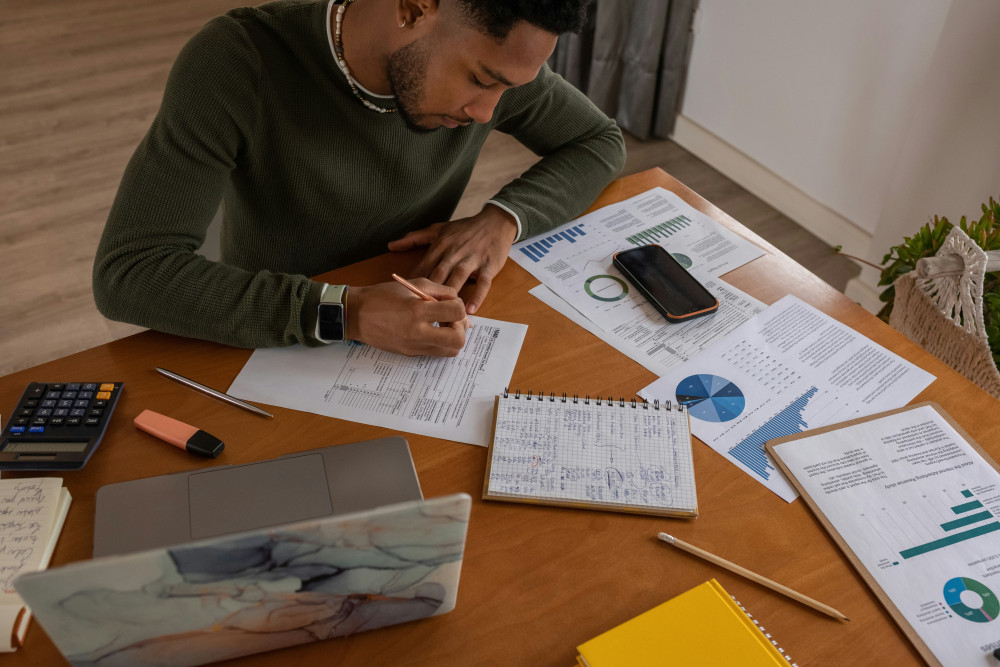
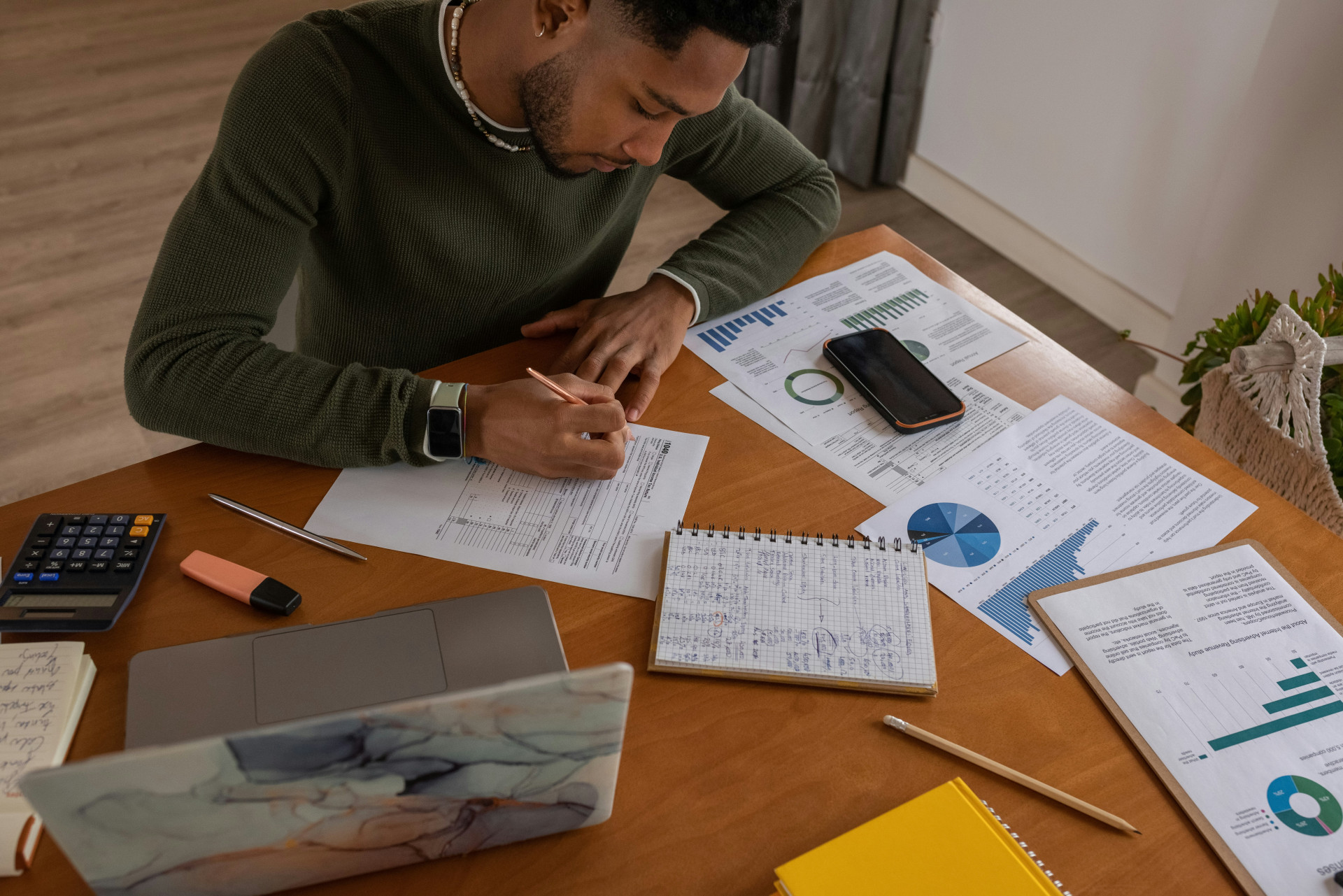
Before you can make changes, you need to know where your money is going. Many Australians are surprised when they see how much small, regular expenses add up. Go through your bank statements from the past few months and group your spending into categories: housing, transport, groceries, subscriptions, entertainment, and so on.
Once you see the numbers in black and white, it becomes easier to spot where you can cut back – without feeling deprived.
A simple spreadsheet or a budgeting app can help you track your spending and monitor your progress over time. The key is to get a realistic view of your financial situation.
Læs også:


Trim your regular expenses
Your fixed costs are often the best place to start, because even small savings here repeat month after month.
- Review your subscriptions: Streaming services, gym memberships, apps, and mobile plans can quickly add up. Cancel what you don’t use or look for cheaper options.
- Insurance and loans: Compare providers to see if you can get a better deal on your car, home, or health insurance. If you have multiple loans, consider consolidating them to reduce interest costs.
- Energy and utilities: Switch to LED bulbs, turn off appliances at the wall, and use fans instead of air conditioning when possible. Small changes can make a noticeable difference to your power bill.
Once you’ve freed up some money, transfer it straight to your debt repayments so you’re not tempted to spend it elsewhere.
Rethink your daily habits
It’s often the everyday purchases that quietly eat into your budget. A takeaway coffee, lunch out, or a few impulse buys at the supermarket might not seem like much, but over a year they can add up to hundreds – even thousands – of dollars.
Try changing one habit at a time: make your coffee at home, pack your lunch, or plan your weekly meals to avoid last-minute takeaways. It’s not about cutting out everything you enjoy, but about choosing where your money has the most impact.
Set a clear goal for paying off debt
It’s easier to stay motivated when you have a specific goal. Decide how much you want to pay off each month and make a plan to get there.
One effective approach is to use the money you save from your lifestyle changes directly for debt repayment. You might also focus on one debt at a time – for example, the one with the highest interest rate – while making minimum payments on the rest. Once that debt is cleared, roll the freed-up money into the next one.
Track your progress and celebrate milestones
Seeing your debt go down can be incredibly motivating. Create a simple chart or use an app to track your progress month by month. Each time you reach a milestone, reward yourself with something small – a picnic, a movie night, or a day trip – that celebrates your progress without breaking the budget.
The goal is to build a sense of momentum and ownership over your financial journey. The more you can see the results of your efforts, the easier it becomes to stay on track.
Small steps, big difference
Paying down debt takes patience, but it’s an investment in your future freedom. The small changes you make – cancelling an unused subscription, cooking at home, lowering your energy use – can add up to significant savings over time.
When you use those savings to reduce your debt, you’re not just saving on interest; you’re gaining confidence and control over your finances. And that’s one of the most valuable rewards of all.
Læs også: