Responsibility and Ownership: Help Your Child Take Responsibility for Their Actions

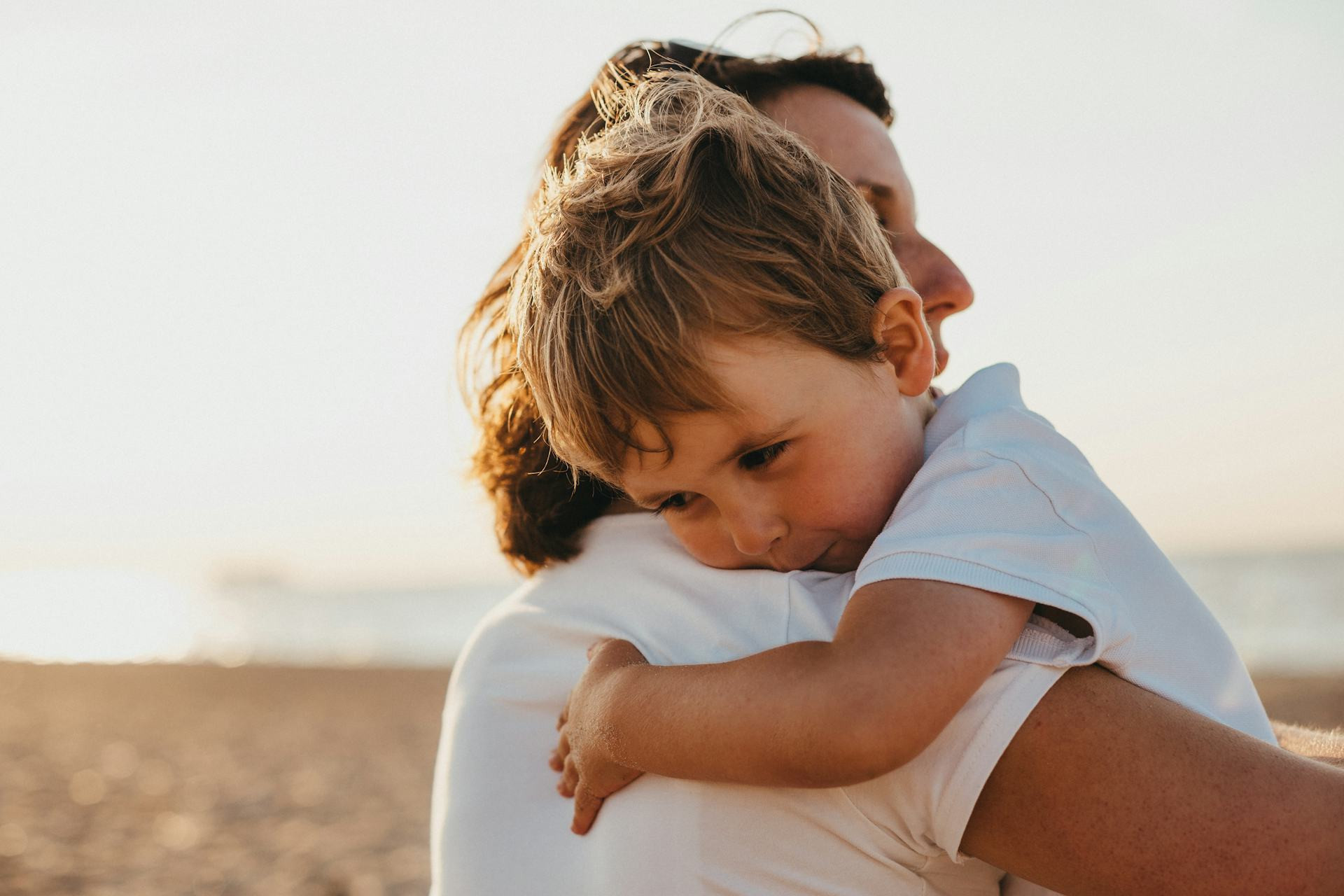
Responsibility and Ownership: Help Your Child Take Responsibility for Their Actions
Teaching a child to take responsibility for their actions is one of the most valuable lessons a parent can offer. It’s not just about saying sorry when something goes wrong – it’s about understanding the impact of one’s choices and learning to act with awareness and integrity. Responsibility and ownership are key building blocks in a child’s personal development, and they begin to form early in life. Here’s how you can support your child in developing these important skills – without turning it into a battle.
Why Responsibility Matters
When children learn to take responsibility, they develop empathy, independence, and confidence. They begin to see that their actions have consequences – for themselves and for others. This understanding gives them a sense of control and connection, which is essential for emotional wellbeing and resilience.
A child who is encouraged to take responsibility also learns how to make mistakes and recover from them. Mistakes are part of life, and it’s through experience – not perfection – that children grow wiser and more capable.
Læs også:

Start with Small Steps in Everyday Life
Responsibility is best learned through practice. It’s not about big moral lessons, but about small, everyday situations.
- Let your child help out – with setting the table, feeding the dog, or tidying their room. This helps them feel that they contribute to the family.
- Offer choices – for example, “Would you like to do your homework before or after dinner?” This teaches decision-making and accountability.
- Talk about consequences – not as punishment, but as natural outcomes. If they forget their lunchbox, they’ll feel hungry. That’s a lesson in itself.
When responsibility becomes a normal part of family life rather than a burden, children are more likely to take ownership of their actions.
Turn Mistakes into Learning Opportunities
It’s natural for parents to want to protect their children from failure. But mistakes are an essential part of learning. When your child spills milk, forgets their sports gear, or says something unkind to a friend, it’s a chance to practise responsibility.
Instead of scolding, try asking: “What do you think you could do differently next time?” or “How can you make it right?” This shifts the focus from blame to problem-solving and helps your child think constructively.
The key is to show that making mistakes doesn’t make them a bad person – it gives them the power to learn, repair, and grow.
Be a Role Model
Children learn most from what they see. When you take responsibility for your own actions – even when you make mistakes – you show them how it’s done.
You might say, “I shouldn’t have raised my voice earlier. I was tired, but that doesn’t make it okay.” This kind of honesty shows that responsibility isn’t about being perfect, but about owning your behaviour.
When you model accountability, your child learns that it’s safe to admit mistakes and that responsibility and vulnerability can go hand in hand.
Build a Culture of Trust and Communication
Children are more likely to take responsibility when they feel safe and supported. If they fear criticism or punishment, they may try to hide their mistakes instead of owning up to them. That’s why it’s important to create a home environment where honesty is valued over perfection.
Praise your child when they take responsibility – even for small things. Say, “I’m proud of you for telling me you forgot your homework,” or “It was great that you apologised to your friend.” Recognition reinforces positive behaviour and builds confidence.
Encourage Independence
Taking responsibility requires freedom. If you control too much as a parent, your child misses the chance to practise. It can be hard to let go, but it’s essential for developing ownership.
Let your child pack their own school bag, manage their pocket money, or plan their weekend activities – with guidance, but without taking over. When they feel your trust, they grow into the role of being responsible.
Responsibility as a Lifelong Journey
Learning responsibility doesn’t happen overnight. It’s a process that unfolds throughout childhood and continues into adulthood. Some days will go smoothly, others not so much. What matters most is that your child learns that responsibility isn’t about always getting it right – it’s about showing up, learning, and trying again.
By helping your child take responsibility for their actions, you’re giving them a lifelong gift – the ability to stand by their choices, learn from their experiences, and take ownership of both their mistakes and their successes.
Læs også: