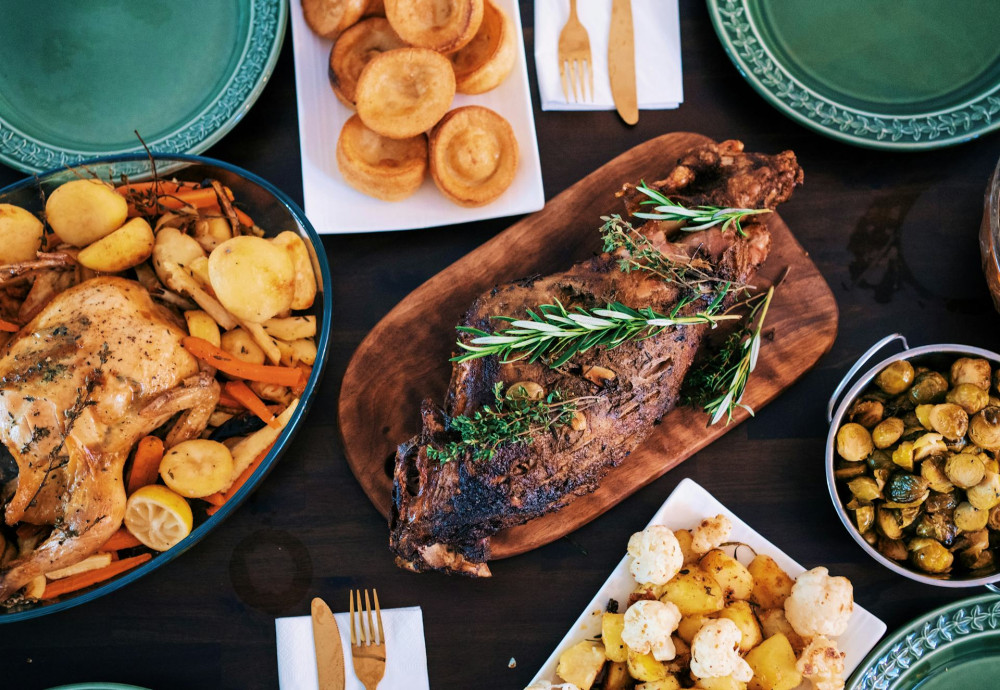
Plan your weekly meals – and enjoy a more relaxed everyday life

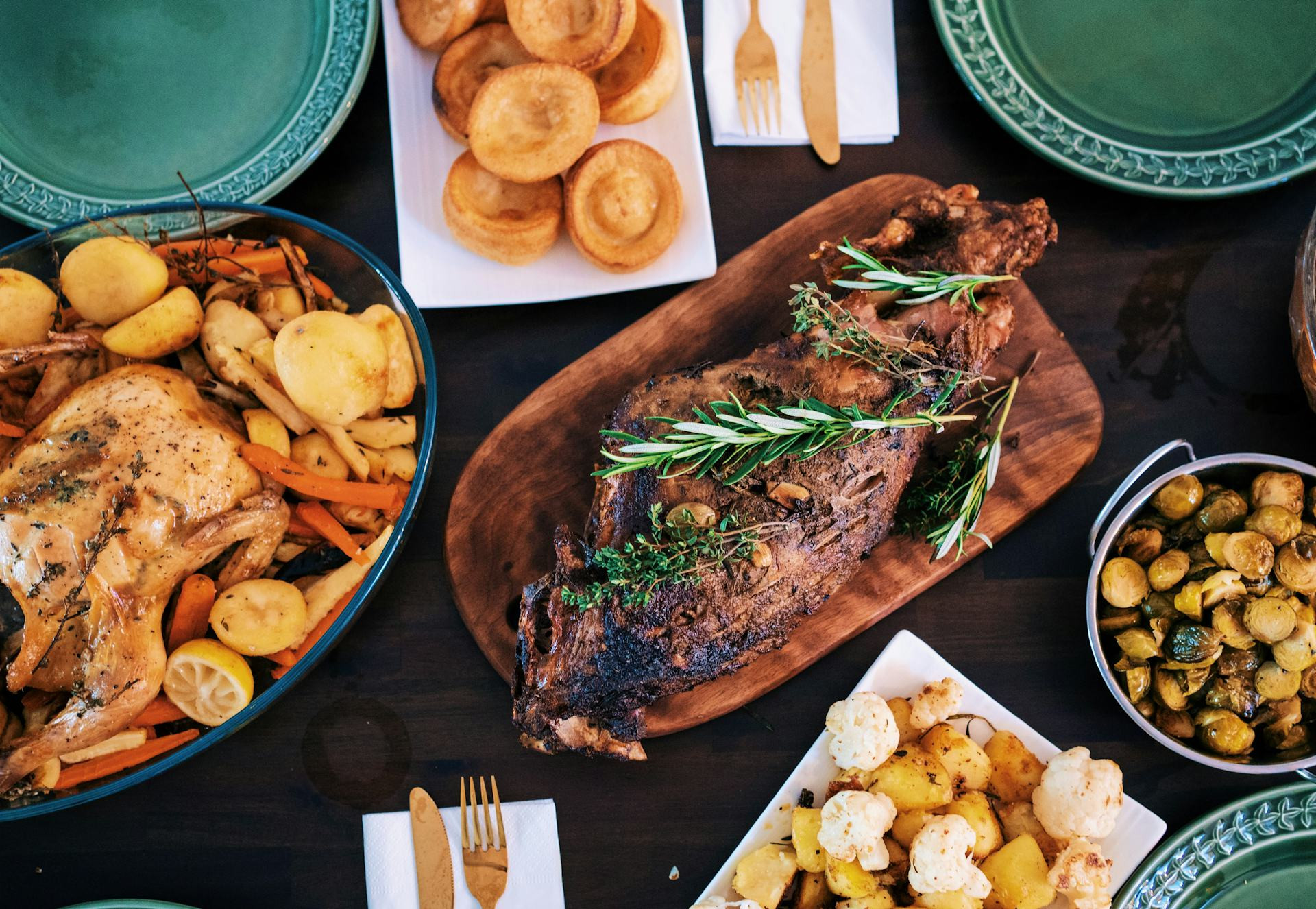
Plan your weekly meals – and enjoy a more relaxed everyday life
Between work, family, and social commitments, it’s easy to feel like there’s never enough time to cook healthy, balanced meals. Many Australians end up grabbing takeaway or making last-minute supermarket runs after a long day. But with a bit of planning, you can save time, money, and stress – and make mealtimes something to look forward to. Here’s how to plan your weekly meals and enjoy a calmer, more organised week.
Why meal planning pays off
Meal planning isn’t about being rigid or boring – it’s about giving yourself freedom. When you know what’s for dinner, you avoid the 5 p.m. panic and those extra trips to Woolies or Coles. You can shop once or twice a week, saving both time and fuel.
Planning also helps reduce food waste. You buy only what you need, which is good for your wallet and the environment. Plus, it’s easier to eat a balanced diet when you’ve thought ahead about your meals – from meat-free Mondays to fish Fridays.
How to get started
Start small. You don’t need to plan every snack and lunch straight away. Focus on dinners first – that’s usually where the pressure is highest.
- List your favourites. Write down 10–15 meals your household enjoys and that suit your schedule. Think stir-fries, pasta dishes, curries, salads, or BBQ nights.
- Pick 4–5 meals for the week. Leave one night for leftovers or something simple like omelettes or toasties.
- Use themes. It makes planning easier. For example: “Meat-free Monday”, “Taco Tuesday”, “Fish Wednesday”, “Curry Thursday”, and “BBQ Friday”.
- Make a shopping list. Go through your recipes and note what you need. Group items by section – produce, pantry, dairy, etc. – to make shopping quicker.
Once you’ve done it a few times, planning your week’s meals will take just 10–15 minutes.
Make your freezer your best friend
Your freezer can be a lifesaver on busy days. Cook double batches of meals that freeze well – like lasagne, soups, or stews – and store them for later. On hectic evenings, you can simply defrost a meal and have dinner ready in minutes.
You can also freeze chopped veggies, cooked rice, or leftover meat. Having these basics on hand makes it easier to adapt if plans change or you need a quick backup meal.
Læs også:




Turn cooking into a routine
When you have a plan, cooking becomes less stressful. You know what’s on the menu and already have the ingredients. Try setting aside time on Sunday to prep for the week – chop vegetables, marinate meat, or cook a batch of grains.
If you live with others, get them involved. Kids can help set the table, wash veggies, or choose a meal for the week. Turning meal prep into a shared activity makes it more enjoyable and less of a chore.
Example of a weekly plan
Here’s an example of what a week’s menu might look like:
- Monday: Veggie stir-fry with tofu and rice
- Tuesday: Beef tacos with salsa and avocado
- Wednesday: Grilled barramundi with sweet potato mash
- Thursday: Chicken curry with basmati rice
- Friday: BBQ night – sausages, salad, and corn on the cob
- Saturday: Leftovers or takeaway
- Sunday: Pumpkin soup with crusty bread
Once you have a few go-to plans, you can easily swap meals based on the season or what’s on special at the supermarket.
Keep it simple
Meal planning should make life easier, not harder. Use a whiteboard, a notebook, or an app to keep track of your recipes and shopping lists. Stick your weekly plan on the fridge so everyone knows what’s for dinner.
Remember, your plan is a guide, not a rulebook. If you feel like changing things up midweek, go for it. The goal is to make your everyday life smoother and more enjoyable.
A calmer week starts in the kitchen
When you plan your meals, you free up mental space for everything else that matters. You’ll spend less time worrying about what to cook, waste less food, and enjoy more relaxed evenings. It’s a small habit that can make a big difference – for your health, your budget, and your peace of mind.
Læs også: