Kitesurfing for Beginners: Why the Wind and Waves Captivate Adventurous Men

Kitesurfing for Beginners: Why the Wind and Waves Captivate Adventurous Men
There’s something magnetic about the mix of wind, water, and speed. Kitesurfing brings these elements together in a thrilling experience where you harness the wind as your engine and the ocean as your playground. For many men with a taste for adventure and physical challenge, the sport has become more than a hobby – it’s a way to connect with nature’s raw power and test personal limits. But how do you get started, and what makes kitesurfing so irresistible?
A Sport of Freedom and Adrenaline
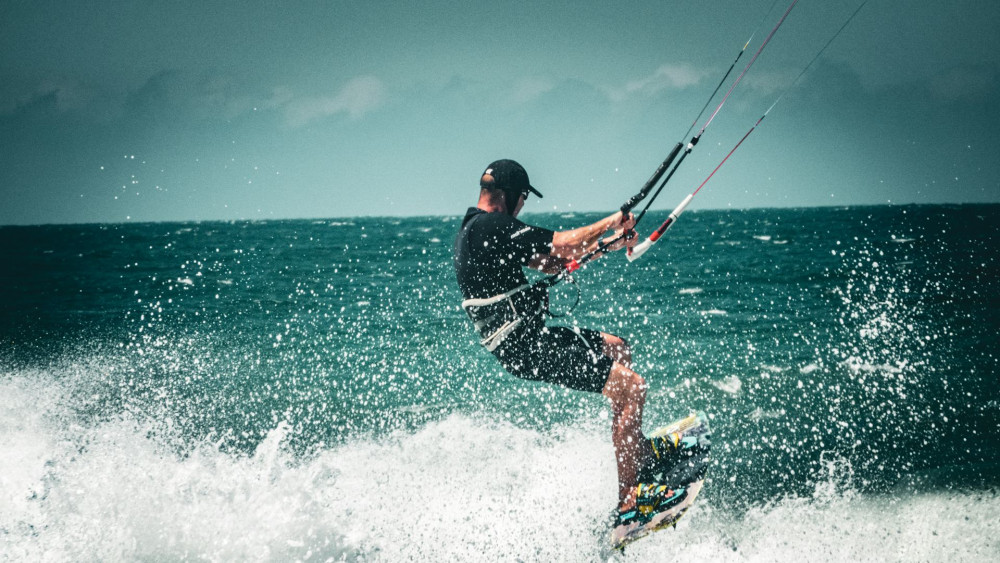
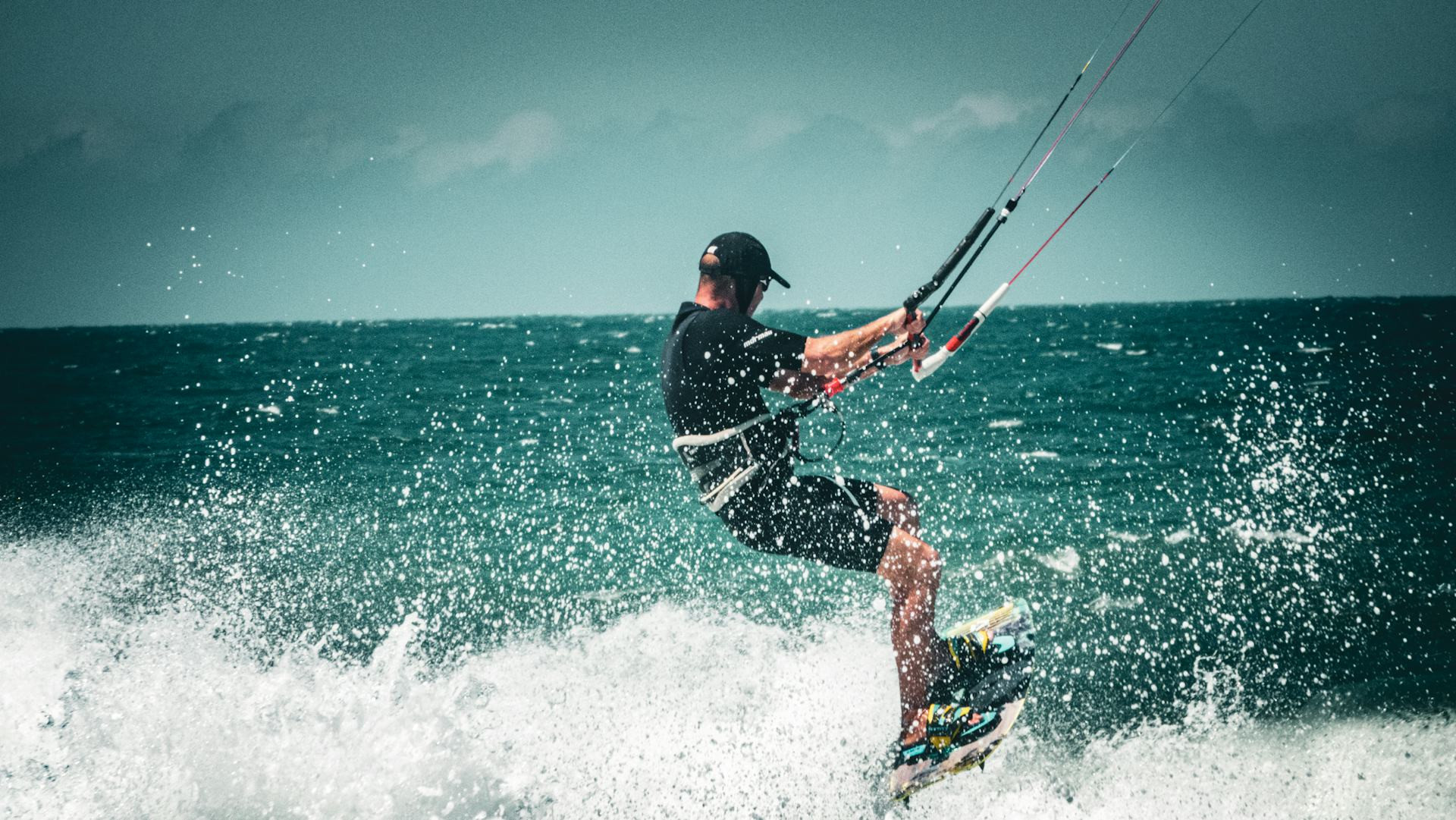
At its core, kitesurfing is about letting a large kite pull you across the water while you balance on a board. It sounds simple, but it demands technique, balance, and respect for the elements. When everything clicks – the wind, the waves, your timing – you experience a sense of freedom that few other sports can match.
For many men, it’s this combination of speed, control, and nature that makes kitesurfing so appealing. It’s a physical challenge, but also a mental one: learning to stay calm in unpredictable conditions, reading the wind, and reacting instinctively. Every session is different, shaped by the ever-changing sea and sky.
How to Get Started
Although kitesurfing looks extreme, most people can learn it safely with proper instruction. The key is to start gradually and focus on safety.
- Take a lesson – A certified instructor will teach you about safety, wind directions, equipment, and technique. Most schools offer beginner courses over two or three days.
- Master kite control on land – Before hitting the water, you’ll learn to handle the kite safely on the beach. This is where you start to understand how the wind behaves.
- Practice in shallow water – Once you can control the kite, you’ll combine it with the board. The first few rides are unforgettable – and often a test of balance and patience.
- Choose the right conditions – Beginners should start in light to moderate winds and flat, shallow water. Avoid strong winds and big surf until you’ve gained experience.
Gear You’ll Need
Kitesurfing requires some equipment, but most of it can be rented while you’re learning. The essentials include:
- Kite – Available in different sizes depending on wind strength and your body weight.
- Board – Usually a twin-tip board, similar to a wakeboard.
- Harness – Distributes the kite’s pull across your body, so you don’t rely solely on arm strength.
- Wetsuit and flotation vest – Keep you warm and buoyant.
- Safety leash and quick-release system – Allow you to detach from the kite quickly if needed.
Once you’ve gained confidence, you can invest in your own gear, but renting first helps you find what suits you best.
Where to Kitesurf in Australia
Australia is a paradise for kitesurfers, with vast coastlines, reliable winds, and warm weather. Whether you’re in the tropics or down south, there’s a spot for every level.
- Safety Bay, WA – Known as “The Pond,” this flat-water lagoon near Perth is perfect for beginners.
- Brighton Beach, VIC – Close to Melbourne, with consistent winds and a friendly local community.
- Botany Bay, NSW – A great training ground near Sydney, offering steady breezes and shallow water.
- Yorkeys Knob, QLD – Near Cairns, this tropical spot combines warm water with steady trade winds.
- Semaphore Beach, SA – A wide sandy beach with plenty of space to launch and land safely.
Always check local regulations and respect designated zones for kitesurfing.
Safety and Respect for Nature
Kitesurfing is exhilarating, but safety should always come first. The ocean can change quickly, and being prepared makes all the difference.
- Always check the weather forecast before heading out.
- Never kitesurf alone – have a buddy on the beach.
- Use proper safety gear and know how your quick-release works.
- Keep a safe distance from swimmers, boats, and other surfers.
- Know your limits and don’t push beyond your skill level.
Equally important is caring for the environment. Avoid damaging dunes or vegetation, and take your rubbish with you. Kitesurfing is about being part of nature, not leaving a mark on it.
Why the Sport Appeals to Adventurous Men
For many men, kitesurfing is more than a sport – it’s a lifestyle. It combines physical challenge, technical skill, and a deep connection to the natural world. It satisfies the craving for freedom and adventure while offering moments of pure focus and calm.
There’s also a strong social side. Kitesurfers often gather on the beach, share tips, and help each other out. It’s a community where independence and camaraderie go hand in hand.
And then there’s that moment when you lift off the water for the first time – suspended between sea and sky, powered only by the wind. It’s a feeling that keeps you coming back, chasing that perfect balance of power and peace.
Læs også:




A Sport That Keeps on Giving
Kitesurfing is a lifelong pursuit. It challenges both body and mind, but the rewards are immense. You learn to read the wind, trust your instincts, and find joy in the moment.
So if you’re looking for a sport that blends adventure, nature, and freedom, kitesurfing might just be your next great passion. The wind is waiting – all you have to do is take the leap.
Læs også: