Everyday Recovery: Small Routines with a Big Impact

Everyday Recovery: Small Routines with a Big Impact
In a world that prizes productivity and performance – at work, in sport, and in daily life – recovery often takes a back seat. Yet it’s during rest that both body and mind rebuild and strengthen. Recovery isn’t just about lying on the couch after a workout; it’s about creating small, consistent routines that restore energy, focus, and balance. Here’s how you can make recovery a natural part of your everyday life.
Why Recovery Matters
When you train hard, work long hours, or juggle a busy schedule, your body and mind are under constant load. Muscles break down, your nervous system is taxed, and energy stores are depleted. Without proper recovery, you risk fatigue, poor sleep, and declining performance – physically and mentally.
Recovery is about giving your body the time and resources to rebuild. It doesn’t mean doing nothing, but rather finding a rhythm between activity and rest. That’s where small daily habits can make a big difference.
Sleep – The Foundation of Recovery
Sleep is the most powerful recovery tool we have. During deep sleep, growth hormones are released, muscles repair, and the brain processes the day’s experiences. Most adults need around 7–9 hours of quality sleep each night, but consistency and environment matter just as much as duration.
- Keep a regular schedule: Go to bed and wake up at the same time every day, even on weekends.
- Limit screen time: Avoid phones and laptops for at least an hour before bed.
- Create a calm space: Keep your bedroom dark, cool, and quiet – especially important in the Australian summer heat.
Even small improvements in sleep hygiene can boost your energy, mood, and focus.
Læs også:




Active Recovery – Movement That Restores
Recovery doesn’t mean being still all day. Gentle movement can actually help your body recover faster by improving circulation, easing stiffness, and reducing stress.
Try:
- A relaxed walk along the beach or through your local park.
- Light stretching or yoga in the morning.
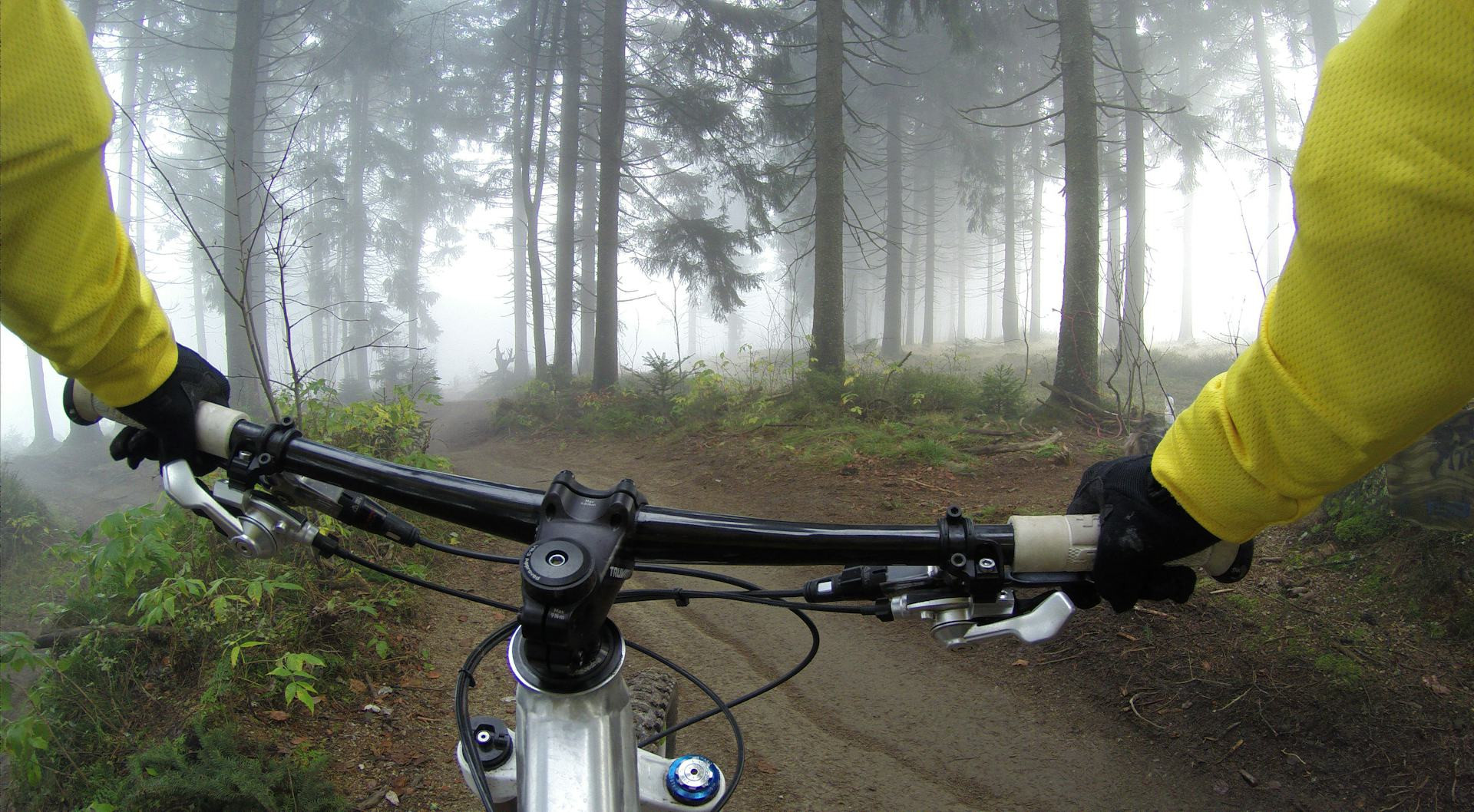
- A slow bike ride or swim on your rest day.
The goal is to move without strain – to give your body oxygen and flow without pressure.
Nutrition and Hydration – Fuel for Repair
Recovery depends on nourishment. After physical activity, your body needs protein to rebuild muscle and carbohydrates to replenish energy stores. But everyday nutrition matters too.
- Eat a balanced diet: Focus on fresh vegetables, whole grains, lean proteins, and healthy fats.
- Stay hydrated: Australia’s warm climate makes fluid balance especially important. Even mild dehydration can affect recovery and concentration.
- Avoid big energy swings: Long gaps between meals or sugary snacks can lead to fatigue and irritability.
Stable energy levels and proper hydration help your body stay in balance and recover efficiently.
Mental Recovery – Rest for the Mind
Recovery isn’t just physical. Mental fatigue from constant deadlines, screens, and notifications can be just as draining. Building small mental breaks into your day helps your brain reset and recharge.
- Take short pauses: Step away from your desk, stretch, or simply look out the window.
- Try mindfulness or meditation: Just a few minutes a day can lower stress and improve focus.
- Create screen-free zones: Give your mind a break from constant digital input.
When you allow your mind to rest, you think more clearly, make better decisions, and feel more present.
Plan Recovery as Part of Your Routine
Many people plan their workouts or work schedules but forget to plan their rest. A good rule of thumb is to treat recovery as an active part of your week. That might mean a rest day, a gentle walk, or an early night in.
Listen to your body – fatigue, irritability, and lack of motivation are often signs that you need more rest. Recovery isn’t a sign of weakness; it’s the foundation for progress.
Small Routines, Big Results
You don’t need to overhaul your lifestyle to feel the benefits. Start small: go to bed half an hour earlier, take a short break during the day, or spend Sunday doing something relaxing outdoors. Over time, these habits become part of your rhythm – and you’ll notice more energy, better focus, and a greater sense of wellbeing.
Everyday recovery is ultimately about balance. When you give your body and mind the space to rest and rebuild, you get more out of your training, your work, and your life. It’s the small routines that make the biggest difference.
Læs også: